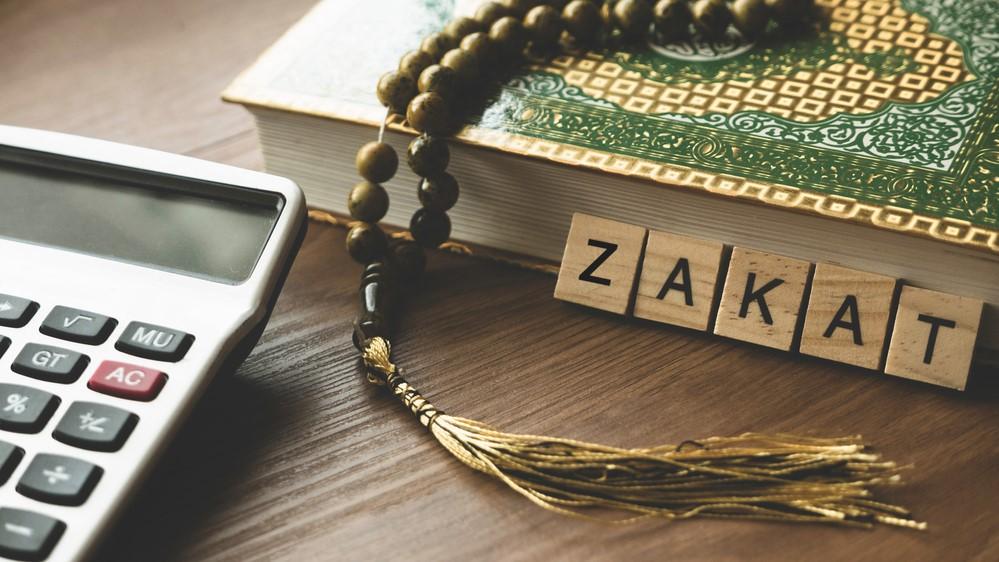
Zakat is one of the five pillars of Islam and a powerful system of social welfare designed by Allah for the spiritual and economic balance of society. The word Zakat literally means purification and growth. By giving Zakat, a Muslim purifies their wealth from greed and selfishness, while also helping it grow through divine blessings.
In the Holy Qur’an, believers are repeatedly encouraged to feed the hungry, support the poor, and care for the vulnerable. Zakat is not just charity; it is an obligation that strengthens faith, promotes compassion, and builds a just Islamic society.
Zakat and Ramadan: A Month of Mercy and Giving
The blessed month of Ramadan is widely known as the month of forgiveness, mercy, and generosity. During Ramadan, Muslims increase their prayers, offer gratitude, and actively support those in need. Zakat during this sacred month carries even greater spiritual rewards.
Allah commands believers to establish prayer and give Zakat together. This powerful connection shows that Zakat is not separate from worship — it is an essential part of it. When a Muslim fulfills this duty sincerely, both the giver and the receiver are blessed.
Conditions for Giving Zakat (Nisab Explained)
Zakat becomes obligatory when a Muslim’s wealth reaches a minimum threshold known as Nisab. If a person owns wealth equal to or more than the Nisab amount at the beginning and end of one lunar year, they must pay Zakat.
However, if by the end of the lunar year the wealth falls below Nisab, Zakat is not required.
What Wealth is Subject to Zakat?
Zakat applies to various forms of wealth, including:
- Gold and silver (including jewelry and ornaments)
- Cash savings
- Bank deposits
- Provident funds
- Business goods and trade inventory
- Agricultural produce
- Livestock meant for trade
This system ensures that wealth circulates within society and reaches those who need it most.
Zakat on Gold, Silver, and Savings
If a person owns gold or silver equal to the Nisab limit, Zakat becomes compulsory. Similarly, savings kept in banks or invested in funds are also subject to Zakat if they meet the required amount for a full lunar year.
Islam encourages financial responsibility while ensuring that excess wealth benefits the community.
Zakat on Agricultural Produce
Islamic teachings also include Zakat on agricultural land and crops. If land is irrigated naturally through rainwater, rivers, or nearby water channels, the produce must be given as Zakat.
This ruling reflects the fairness of Islamic economic principles — when Allah provides natural resources without extra cost, a portion must be shared with those in need.
Zakat on Livestock
Zakat is obligatory on grazing animals such as:
- Goats
- Sheep
- Cows
- Buffaloes
- Camels
If these animals graze freely on natural grass and are kept for trade or growth, Zakat applies according to Islamic guidelines. This ensures fairness across all forms of wealth.
Who Should Not Receive Zakat?
Islam clearly defines who is eligible and who is not eligible to receive Zakat. Zakat cannot be given to:
- A person who already owns wealth equal to or exceeding the Nisab.
- One’s parents, grandparents, or great-grandparents.
- One’s children, grandchildren, or direct descendants.
- One’s spouse.
- The descendants of Muhammad (Sayyeds).
- Domestic servants as wages.
- For mosque construction or maintenance.
- To cover funeral expenses.
Zakat must reach those who are genuinely needy and eligible under Islamic law. It cannot be used for general public projects or personal obligations.
The Spiritual and Social Impact of Zakat
Zakat is more than a financial transaction — it is a spiritual transformation. It removes greed from the heart and builds empathy. When wealth circulates among the poor, it reduces poverty, strengthens communities, and creates economic balance.
In a world facing increasing inequality, the Islamic system of Zakat offers a timeless solution. It promotes social justice, financial accountability, and spiritual growth.
Why Zakat Matters Today
For Muslims worldwide, Zakat is a reminder that wealth is a trust from Allah. It teaches responsibility, generosity, and gratitude. By fulfilling this pillar of Islam, believers not only purify their wealth but also contribute to building a compassionate and balanced society.
Zakat is truly a beautiful concept — one that combines worship, charity, and economic justice in a way that benefits both this life and the hereafter.
For more authentic Islamic insights and Quran-based guidance, stay connected with [www.quraninsider.com].