Author name: QURAN INSIDER TEAM

Women-in-Islam-quran-insider
Uncategorized

Women in Islam: A Daughter, A Wife, and A Mother

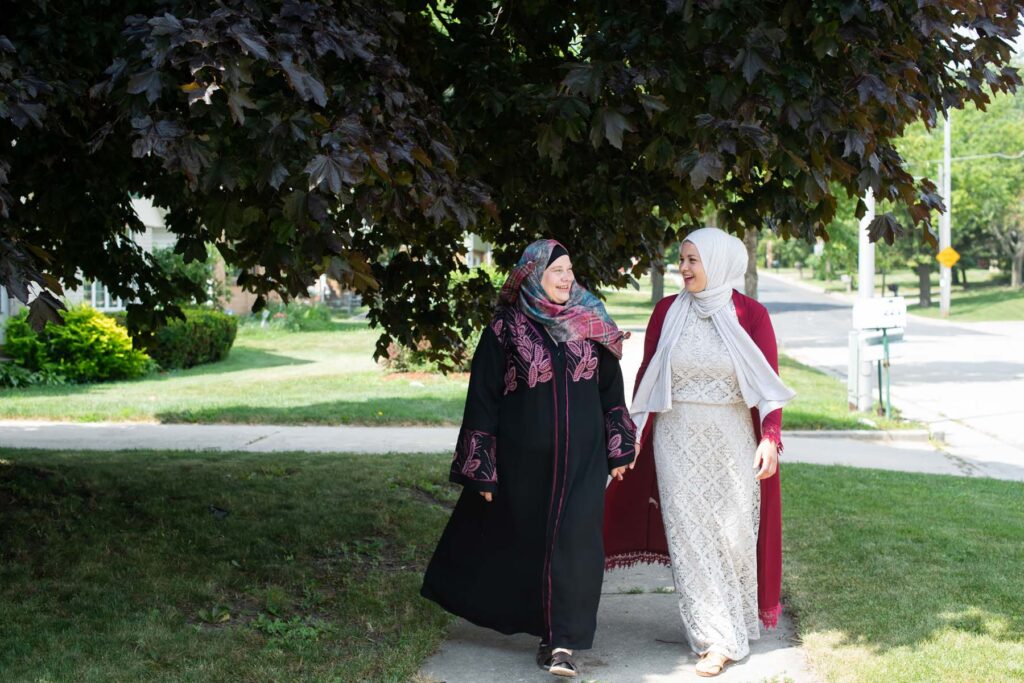
In today’s world, many still ask: How does Islam treat women? What is the role of women in Islam? Are Muslim women oppressed? These questions often arise from misunderstanding rather than knowledge. Islam honors women with dignity, rights, and spiritual equality. While the responsibilities of men and women may differ, their value before Allah is equal. For readers of www.quraninsider.com, this article explores the honored position of women in Islam — as daughters, wives, and mothers — through the guidance of the Qur’an and the teachings of Prophet Muhammad (peace be upon him). The Status of Women in Islam Islam reformed society at a time when women were mistreated and deprived of rights. The Qur’an elevated their position and recognized them as independent individuals with: In fact, an entire chapter of the Qur’an — Surah An-Nisa — is dedicated to laws and guidance concerning women. Islam does not define women by weakness or inferiority. Instead, it recognizes their spiritual strength, emotional depth, and essential role in building families and societies. A Daughter: A Blessing, Not a Burden When a daughter is born into a Muslim family, she is considered a source of blessing and mercy. Islam strongly condemns the pre-Islamic mindset that viewed daughters as shame or burden. The Prophet ﷺ promised immense reward for raising daughters with care and righteousness. He said that whoever raises two daughters with patience and kindness until adulthood will be close to him on the Day of Judgment — as close as two joined fingers (reported in Sahih Muslim). This powerful Hadith shows the spiritual reward of nurturing daughters with love and responsibility. The Prophet ﷺ himself had four daughters and showed them deep affection. Regarding his beloved daughter Fatimah, he said that whoever angers her angers him (reported in Sahih al-Bukhari). This demonstrates the emotional and spiritual value given to daughters in Islam. A daughter in Islam is not a liability — she is a pathway to Paradise for parents who raise her according to Islamic principles. A Wife: A Partner, Not a Servant Another common misconception is that Islam reduces a wife to servitude. In reality, Islam describes marriage as a relationship of tranquility, mercy, and partnership. Allah says: “And We created you in pairs.” (Qur’an 78:8) Marriage in Islam is built on mutual respect, compassion, and shared responsibility. Forced marriage is not allowed. The Prophet ﷺ made it clear that a woman’s consent is necessary for a valid marriage (reported in Sahih al-Bukhari). The Qur’an states: “Men are the protectors and maintainers of women…” (Qur’an 4:34) This verse establishes responsibility, not superiority. A husband is financially responsible for the family and must protect and honor his wife. A wife, in turn, supports her husband, safeguards the household, and preserves mutual dignity. In Arabic culture, a wife is sometimes referred to as Rabbaitul Bait — meaning the queen or caretaker of the home — reflecting honor rather than oppression. The Prophet ﷺ emphasized kindness toward wives, teaching that the best of men are those who are best to their families. A righteous wife balances personal goals with family responsibilities, voices her opinions respectfully, and builds a home based on faith and love. A Mother: The Highest Rank of Honor Among all roles, motherhood holds the greatest honor in Islam. Allah reminds us of a mother’s sacrifice: “His mother carried him in hardship and gave birth to him in hardship…” (Qur’an 46:15) This verse acknowledges the physical and emotional struggle of pregnancy, childbirth, and upbringing. Islam commands children to show gratitude and obedience to their parents, especially mothers. The Prophet ﷺ declared that Paradise lies at the feet of mothers (reported in Jami at-Tirmidhi). In another narration from Sahih al-Bukhari, he warned against being undutiful to mothers. When a companion asked who deserved the best treatment, the Prophet ﷺ replied: “Your mother” — three times — before mentioning the father. This repeated emphasis shows the elevated status of mothers in Islam. A mother shapes future generations, instills faith, and nurtures character. Her influence extends beyond her home into society itself. Women as Leaders and Examples in Islam Islamic history further proves the strength and honor of Muslim women. These examples show that Muslim women were pioneers of courage, faith, and leadership from the earliest days of Islam. Debunking the Myth: “Muslim Women Are Oppressed” The claim that Muslim women are oppressed often ignores Islamic teachings and focuses on cultural practices that contradict Islam. Islam grants women: Oppression occurs when Islamic principles are ignored — not when they are followed. True Islamic teachings uplift women spiritually, socially, and legally. Conclusion: The Honor of Being a Muslim Woman From daughter to wife to mother, women in Islam hold honored and irreplaceable roles. They are nurturers of faith, builders of families, and pillars of society. Islam recognizes their strength, safeguards their dignity, and promises immense reward for fulfilling their roles with sincerity. Being a Muslim woman is not a limitation — it is a position of privilege and responsibility. May Allah grant all Muslim women respect, justice, and the highest ranks in Jannah. Ameen.

Charity-in-Islam-quran-insider
Uncategorized

Charity in Islam: Lessons from the Qur’an and Prophet Muhammad (PBUH)

Charity in Islam is not just a noble act — it is a central pillar of faith and a powerful means of spiritual purification. The Qur’an and the teachings of Prophet Muhammad (peace be upon him) emphasize generosity, compassion, and social responsibility as essential qualities of a true believer. For readers of www.quraninsider.com, this article explores how Islamic charity (Sadaqah and Zakat) transforms individuals and societies while earning immense reward in the Hereafter. The Meaning of Charity in Islam In Islam, charity is more than giving money. The Arabic word Sadaqah comes from “sidq,” meaning sincerity or truthfulness. This shows that charity reflects the truth of one’s faith. The Qur’an repeatedly encourages believers to spend from what Allah has provided: “Establish prayer and give charity, and whatever good you send forth for yourselves, you will find it with Allah.” (Qur’an 2:110) Charity in Islam includes: This broad understanding makes Islamic charity a daily opportunity for reward. Zakat: The Obligatory Pillar of Islam Zakat is one of the five pillars of Islam. It is not optional; it is a mandatory act of worship for eligible Muslims. Allah commands in the Qur’an: “Take from their wealth a charity by which you purify them and cause them increase.” (Qur’an 9:103) Zakat purifies wealth and the heart. It removes greed, strengthens empathy, and ensures economic justice in society. Through Zakat, Islam creates a system where wealth circulates rather than remaining in the hands of a few. Unlike modern taxation systems, Zakat is an act of worship directly connected to spiritual accountability before Allah. Sadaqah: Voluntary Charity with Unlimited Rewards Beyond Zakat, Islam encourages voluntary charity. Sadaqah can be given at any time, in any amount, for any good cause. The Prophet ﷺ taught that even small acts count as charity. He said that removing harm from the road or speaking kindly to someone is a form of Sadaqah (reported in Sahih al-Bukhari). This teaching highlights an important Islamic principle: charity is not limited to the wealthy. Every believer can give something. Charity Multiplies Rewards One of the most powerful motivations for giving in Islam is the promise of multiplied reward. Allah says: “The example of those who spend their wealth in the way of Allah is like a seed of grain that grows seven ears; in every ear is a hundred grains.” (Qur’an 2:261) This verse shows that charity is an investment with Allah. A single good deed can multiply up to seven hundred times or more. In a world focused on material returns, Islam teaches believers to invest in eternal rewards. The Character of Prophet Muhammad (PBUH) in Giving The life of Prophet Muhammad (PBUH) was a living example of generosity. He was known for giving freely, especially during Ramadan. According to narrations found in Sahih Muslim, the Prophet ﷺ never turned away a person in need if he had something to give. His generosity was described as faster than the wind in its kindness. He did not give to show status or seek praise. His charity was sincere, humble, and purely for Allah’s pleasure. This prophetic model teaches Muslims that true generosity combines: The Spiritual Benefits of Charity Islamic charity benefits both the giver and the receiver. Its spiritual advantages include: 1. Purification of the Heart Charity removes arrogance and selfishness. It trains the believer to detach from excessive love of wealth. 2. Protection from Calamities The Prophet ﷺ taught that charity extinguishes sins like water extinguishes fire. Giving regularly invites Allah’s protection and mercy. 3. Shade on the Day of Judgment On the Day of Judgment, acts of charity will provide shade and comfort when people face intense difficulty. Sincere giving becomes a source of safety in the Hereafter. Giving Secretly vs Publicly The Qur’an praises both public and private charity but emphasizes sincerity above all. “If you disclose your charity, it is good; but if you conceal it and give to the poor, it is better for you.” (Qur’an 2:271) Secret charity protects the heart from showing off (riya). However, public charity can inspire others to give. The key is intention. Islam teaches that actions are judged by intentions. Charity given for Allah’s sake carries immense reward, while charity for reputation loses spiritual value. Charity Builds a Strong Islamic Society Islamic social welfare is built on compassion and responsibility. When Muslims practice regular charity: Charity creates unity within the Ummah. It transforms wealth into a tool for justice and mercy. In times of global crisis — whether war, famine, or natural disasters — Islamic charity becomes even more essential. It reminds believers that caring for others is an obligation, not an option. Small Acts, Big Impact Many people think they must wait until they are wealthy to give. Islam rejects this mindset. Even a date given in charity can protect a believer from Hellfire. A smile, a helping hand, a comforting word — all are forms of Sadaqah. This comprehensive approach makes charity part of everyday life, not just a yearly obligation. Final Thoughts: Charity as a Path to Jannah Charity in Islam is not merely financial support — it is a pathway to spiritual growth, purification, and eternal success. The Qur’an and the teachings of Prophet Muhammad (PBUH) clearly show that generosity reflects the depth of one’s faith. For Muslims around the world, practicing Zakat and Sadaqah strengthens our relationship with Allah and uplifts humanity. May Allah make us among those who give sincerely, help generously, and earn continuous reward in this life and the Hereafter. Ameen.

Why-Does-Allah-Test-Us-quran-insider
Uncategorized

Why Does Allah Test Us? Understanding Trials in Islam

Life is filled with ups and downs. As Muslims, we often ask: Why does Allah test us? Are hardships a punishment? Or are they a sign of something deeper? For readers of www.quraninsider.com, this guide explores the Islamic perspective on trials and tribulations, supported by authentic Qur’anic verses and Hadith, while offering practical spiritual guidance for believers worldwide. The Purpose of Tests in Islam Allah clearly explains the purpose of life in the Qur’an: “He is the One Who created death and life to test which of you is best in deeds.” (Qur’an 67:2) This verse teaches a powerful truth: life itself is a test. Success and hardship, wealth and poverty, health and illness — all are part of Allah’s divine plan to examine our faith, sincerity, and character. Unlike some beliefs that claim suffering is always punishment, Islam clarifies that there is no direct link between worldly hardship and Allah’s anger. Losing a job does not mean Allah is displeased. Receiving a promotion does not automatically mean He is pleased. Both situations are tests — just different types. Allah observes how we react: Trials: A Means of Elevation and Mercy The Prophet ﷺ said: “Nothing befalls a believer, even if it were the prick of a thorn, except that Allah raises his rank or removes a sin because of it.” – Sahih al-Bukhari This Hadith highlights two major reasons for trials: 1. Raising Your Status in Paradise When a believer faces hardship with patience and trust in Allah, their spiritual rank increases. Every tear, every moment of endurance, and every sincere dua is rewarded. A temporary difficulty may result in eternal elevation in Jannah. 2. Purification from Sins Sometimes trials serve as a form of mercy. Instead of facing punishment in the Hereafter, Allah allows a believer to experience a manageable difficulty in this life that wipes away sins. What may seem painful in the moment could actually be Allah’s compassion saving us from something far worse in the next life. How Should Muslims Respond to Tests? Understanding why Allah tests us is only half the answer. The real question is: How should we react? 1. Keep Hardship in Perspective Allah reassures us: “Allah does not burden a soul beyond what it can bear.” (Qur’an 2:286) This foundational Islamic principle gives immense comfort. No matter how heavy a situation feels, it is within your capacity to endure. Often during trials, we focus only on what we lost: But we forget what remains: Gratitude shifts perspective. Remembering Allah’s promise prevents despair and strengthens emotional resilience in Islam. 2. Trust That Allah Knows What We Don’t Allah says: “Perhaps you dislike something which is good for you and love something which is bad for you. Allah knows, and you do not know.” (Qur’an 2:216) Human vision is limited. We see only the present moment. Allah sees the past, present, and future. For example, a missed opportunity or delay may protect us from unseen harm. What feels like rejection could be divine protection. Just as parents restrict a child’s unhealthy habits out of love, Allah’s wisdom operates beyond our immediate understanding. Trusting His plan is part of true tawakkul (reliance upon Allah). 3. Combine Patience (Sabr) and Gratitude (Shukr) The Messenger of Allah ﷺ beautifully summarized the believer’s mindset: “Amazing is the affair of the believer… If something good happens, he is grateful and that is good for him. If something harmful happens, he is patient and that is good for him.” – Sahih Muslim This Hadith reveals a powerful Islamic mindset: Few people maintain balance in both situations. But the believer benefits in every scenario because their heart remains connected to Allah. Gratitude increases blessings, as mentioned in Surah Ibrahim (14:7). Patience transforms pain into spiritual strength. 4. Ease Always Follows Hardship Allah promises twice in Surah Ash-Sharh: “Indeed, with hardship comes ease. Indeed, with hardship comes ease.” (Qur’an 94:5–6) Islamic scholars explain that while hardship is mentioned once, ease is mentioned twice — indicating that relief and reward outweigh the difficulty. History provides powerful examples. The early Muslims endured years of persecution in Makkah. Yet within a decade after migration, Islam spread throughout Arabia, and thousands embraced the faith. Temporary struggle led to lasting victory. This teaches us a crucial lesson: The reward of patience is always greater than the pain of the test. Final Reflection: Tests Are Signs of Allah’s Care When facing trials, Shaytan may whisper that Allah has abandoned you. But Islamic teachings show the opposite. Trials: They are not signs of abandonment — they are signs of divine attention. As believers, our goal is not to avoid all hardship, but to respond with the right attitude. With sabr, shukr, and tawakkul, every test becomes a means of drawing closer to Allah. May Allah protect us from severe trials, and if we are tested, may He grant us patience, gratitude, and unwavering faith. Ameen.

istikhara-quran-insider
Uncategorized

A Complete Guide to Istikhara: The Powerful Prayer for Divine Guidance

In moments of confusion, uncertainty, or important life choices, Muslims turn to Allah for clarity. One of the greatest spiritual tools gifted to the Ummah is Salat al-Istikhara — the prayer for guidance taught by Prophet Muhammad (peace be upon him). Although many people associate Istikhara only with major life decisions like marriage, the early generations of Muslims would seek Allah’s direction even in smaller matters. This reflects deep trust (tawakkul) and reliance upon divine wisdom. If you are searching for authentic guidance on how to pray Istikhara, when to perform it, and what its benefits are, this comprehensive guide will help you understand everything clearly. What Is Istikhara? The word Istikhara comes from the Arabic root meaning “to seek goodness.” In Islamic terms, it is a special voluntary prayer through which a believer asks Allah to guide them toward what is best and keep them away from what is harmful. Istikhara is not fortune-telling. It is an act of worship that strengthens faith, humility, and reliance upon Allah’s knowledge and power. When to Pray Istikhara Many people think Istikhara is only for life-changing decisions. However, the companions of the Prophet ﷺ would perform it for various matters — both small and significant. You should pray Istikhara when: Istikhara is recommended when the matter is permissible (halal). It is not performed for obligations (like prayer or fasting) or prohibited actions. There is no fixed time specifically for Istikhara, but it should not be prayed during the disliked times of prayer (such as sunrise, sunset, and when the sun is at its peak). How to Pray Istikhara (Step-by-Step Guide) Praying Istikhara is simple and spiritually uplifting. Here is the correct method: 1. Make the Intention (Niyyah) In your heart, intend to pray two voluntary rak‘ahs for seeking guidance. 2. Pray Two Rak‘ahs Offer two units of voluntary prayer (nafl), separate from obligatory prayers. You may recite any Surahs after Surah Al-Fatiha. 3. Recite the Istikhara Du’a After completing the prayer, raise your hands and sincerely recite the Istikhara supplication. The Istikhara Du’a (Transliteration & English Translation) Transliteration: Allahumma inni astakhiruka bi ‘ilmika, wa astaqdiruka bi qudratika, wa as’aluka min fadlika al-‘azim. Fa innaka taqdiru wa la aqdir, wa ta‘lamu wa la a‘lam, wa anta ‘allamul-ghuyub… (Continue the du’a by mentioning your specific matter.) English Translation: “O Allah, I seek Your guidance through Your knowledge, and I seek ability through Your power, and I ask You from Your immense bounty. For You have power and I do not have power. You know and I do not know. You are the Knower of the unseen. O Allah, if You know that this matter (mention it) is good for me in my religion, my livelihood, and the outcome of my affairs, then decree it for me, make it easy for me, and bless it for me. And if You know that this matter is bad for me in my religion, my livelihood, and the outcome of my affairs, then turn it away from me and turn me away from it, and decree for me what is good wherever it may be, and make me content with it.” This powerful supplication reflects humility, trust, and total surrender to Allah’s wisdom. Istikhara for Marriage One of the most common searches online is Istikhara for marriage. Marriage is a life-changing decision, and Islam encourages seeking Allah’s help before committing. If you are considering a proposal or relationship for marriage: After praying, move forward if things become easy and smooth. If obstacles repeatedly arise, it may be a sign that Allah is redirecting you toward something better. Remember, Istikhara does not replace practical steps — it complements them. Common Myths About Istikhara There are several misconceptions about Istikhara that need clarification: Myth 1: You Must See a Dream Many believe Istikhara only works if you see a clear dream. This is incorrect. While some may see dreams, guidance often comes through ease, clarity, or unfolding events. Myth 2: Someone Else Must Perform It for You Although a scholar may make du’a for you, the Sunnah is that you perform Istikhara yourself. Myth 3: Immediate Signs Will Appear Guidance may come gradually. Sometimes Allah simply places peace in your heart or removes confusion over time. Myth 4: It Guarantees What You Want Istikhara guarantees what is best — not necessarily what you desire. Benefits of Istikhara Performing Istikhara brings numerous spiritual and emotional benefits: 1. Strengthens Faith (Iman) You acknowledge that Allah alone knows the unseen. 2. Reduces Anxiety Instead of overthinking, you place your trust in divine wisdom. 3. Brings Inner Peace Even if the outcome differs from your expectation, your heart feels content. 4. Protects from Harm Allah may remove unseen dangers from your path. 5. Builds Tawakkul (Trust in Allah) Regular Istikhara deepens reliance upon Allah in daily life. Final Thoughts Istikhara is a beautiful gift in Islam. It is not a ritual of superstition but a powerful act of worship rooted in sincerity and trust. Whether you are making a major life decision or choosing between two opportunities, turning to Allah through Istikhara invites divine wisdom into your life. At Quran Insider, we encourage believers worldwide to revive this Sunnah practice and strengthen their connection with Allah through sincere prayer and reflection. When in doubt, pray. When confused, seek guidance. And always remember — the One who created your path knows what is best for you.

How-to-become-a-hafiz-quran-insider
Uncategorized

How to Become a Hafiz: Inspiration and Guidance to Memorize the Qur’an

Becoming a Hafiz of the Qur’an is one of the most honorable goals a Muslim can pursue. Memorizing the Book of Allah is not only a spiritual achievement but a lifelong source of light, guidance, and reward. Across the world, millions aspire to complete their Hifz journey, hoping to preserve the Qur’an in their hearts. If you are thinking about memorizing the Qur’an, this guide will inspire and practically support you on that noble path. Virtues of Becoming a Hafiz The virtues of memorizing the Qur’an are immense. The Prophet ﷺ said: “The best among you are those who learn the Qur’an and teach it.”This narration is recorded in Sahih al-Bukhari. A Hafiz carries the words of Allah within their heart. They become among the people of Qur’an—those closest to Allah through recitation, understanding, and preservation. On the Day of Judgment, the Qur’an will intercede for its companions. Imagine standing before Allah while the Qur’an itself testifies on your behalf. Everlasting Benefits of Memorizing the Qur’an Memorizing the Qur’an transforms both this life and the Hereafter. In this world: In the Hereafter: These rewards show that Hifz is not just personal—it benefits families and generations. What Happens When You Become a Hafiz? Becoming a Hafiz is not merely about completing memorization. It marks the beginning of a deeper responsibility. A Hafiz becomes: The journey does not end at completion. Revision (muraja’ah) becomes a daily habit to preserve what has been memorized. Overcoming Obstacles in Your Hifz Journey Many aspiring Huffaz struggle with distractions, laziness, forgetfulness, or lack of consistency. These challenges are normal. To overcome them: Remember, memorizing the Qur’an is a marathon, not a sprint. Patience and persistence are key. What Is the Reward for Becoming a Hafiz? The reward for memorizing the Qur’an is beyond imagination. The Prophet ﷺ said that the Qur’an will elevate its companion in Jannah according to the last verse they recite. This narration appears in Sunan al-Tirmidhi. Additionally: The greatest reward, however, is Allah’s pleasure. How Long Does It Take to Memorize the Qur’an? The time required to complete Hifz varies from person to person. On average: What matters is not speed but consistency and retention. Even memorizing a few lines daily adds up over time. How to Memorize the Qur’an: Practical Methods Here are proven techniques for effective memorization: 1. Start Small and Be Consistent Memorize a few lines daily rather than large portions occasionally. Consistency builds long-term retention. 2. Use Repetition Repeat each verse at least 10–20 times until it flows naturally. 3. Understand the Meaning Understanding what you memorize strengthens memory and deepens connection. 4. Recite in Salah Incorporate newly memorized verses into daily prayers to reinforce retention. 5. Revise Regularly Dedicate specific time daily for revision. Without revision, memorization weakens. Best Time to Memorize the Qur’an The early morning, especially after Fajr, is widely considered the most blessed time for memorization. The mind is fresh, distractions are minimal, and barakah fills the hours before sunrise. Late-night quiet hours can also be effective for some individuals. Choose a time when your focus is strongest and remain consistent. Dua for Memorizing the Qur’an Always seek Allah’s help in your Hifz journey. You can say: “O Allah, make the Qur’an the spring of my heart, the light of my chest, the remover of my sadness, and the reliever of my distress.” Ask Allah to strengthen your memory, purify your intention, and make the Qur’an firm in your heart. What Is the Best Age to Become a Hafiz? While children often begin Hifz at a young age due to stronger memory retention, there is no age limit for memorizing the Qur’an. Many adults successfully complete Hifz later in life. The best age is the age when your intention is sincere and your commitment is firm. It is never too late to start. Final Words: Begin Your Hifz Journey Today Becoming a Hafiz is one of the most rewarding spiritual journeys a Muslim can undertake. It requires patience, discipline, and reliance on Allah—but the rewards are eternal. Start small. Stay consistent. Make du’a. Seek guidance. Trust the process. May Allah make the Qur’an the light of our hearts, help us memorize and act upon it, and raise us among the people of Qur’an in this world and the Hereafter. Ameen. For more authentic Islamic inspiration and Qur’anic guidance, visit www.quraninsider.com.

Struggling-to-Pray-quran-insider-1
Uncategorized

Struggling to Pray? How to Wake Up for Fajr and Stay Consistent

For many Muslims around the world, waking up for Fajr prayer can feel like a daily struggle. The comfort of sleep, late-night routines, and busy lifestyles often make it difficult to rise before dawn. Yet Fajr holds immense spiritual power and reward. It is the prayer that sets the tone for your entire day. If you are struggling to pray Fajr consistently, know that you are not alone. With the right mindset, spiritual intention, and practical adjustments, you can transform Fajr into a beautiful and natural part of your life. Strengthening Your Intention (Niyyah) Every act in Islam begins with intention. Before setting alarms or adjusting sleep, renew your niyyah for Fajr. Remind yourself that you are not waking up for a task—you are answering the call of Allah. The Prophet ﷺ taught that actions are judged by intentions, as recorded in Sahih al-Bukhari. When your heart sincerely desires closeness to Allah, waking up becomes easier. Before sleeping, say to yourself:“I am sleeping early so I can stand before my Lord.” That shift in perspective turns Fajr from a burden into an honor. Knowing the Immense Rewards of Fajr Understanding the reward behind Fajr prayer is one of the strongest motivators. The Prophet ﷺ said that whoever prays Fajr is under the protection of Allah, as reported in Sahih Muslim. Imagine starting your day wrapped in divine protection. In another narration found in Sunan al-Tirmidhi, the Prophet ﷺ gave glad tidings of complete light on the Day of Judgment for those who walk to the mosque in the darkness. Fajr is not just a prayer—it is a shield, a source of barakah, and a sign of sincere faith. When you internalize these rewards, waking up feels worthwhile. Establishing a Spiritual Night Routine Your Fajr success actually begins the night before. Create a simple, calming routine: Ending your day with remembrance softens the heart and prepares it to rise easily for prayer. A spiritually grounded night often leads to a spiritually productive morning. Realigning Your Sleep to Fajr Many people struggle with Fajr simply because their sleep schedule conflicts with it. Ask yourself honestly:Are late nights stealing your early mornings? Try to: The Prophet ﷺ disliked unnecessary late-night conversations after ‘Isha, encouraging rest so one could rise early for worship. Small changes in sleep habits can make a huge difference in consistency. Dimming the Lights, Calming the Mind Artificial light and screen exposure can delay melatonin production, making it harder to fall asleep. An hour before bed: A calm mind falls asleep faster and wakes up lighter. Preparing physically supports your spiritual goal. Fueling Your Body for Fajr What you eat and drink can affect your ability to wake up. Consider: Physical well-being and spiritual discipline go hand in hand. When your body feels balanced, rising for prayer becomes easier. Build Accountability with a “Fajr Buddy” Accountability can be powerful. Find a friend, sibling, or family member who also wants to improve their Fajr consistency. You can: When someone is expecting you to wake up, it becomes harder to hit the snooze button. Encouraging one another in worship strengthens both friendship and faith. Make Fajr a Natural Part of Your Day The ultimate goal is not just waking up—it is making Fajr part of your identity. Instead of thinking, “I have to wake up,” shift to:“This is who I am. I pray Fajr.” Over time, consistency builds habit. Habit builds discipline. Discipline builds love. You will begin to notice: Fajr becomes the foundation upon which your entire day stands. A Du’a for Consistency in Prayer Before sleeping, ask sincerely: “O Allah, help me remember You, thank You, and worship You in the best manner.” The Prophet ﷺ encouraged this supplication for strengthening one’s worship. Never underestimate the power of asking Allah for help in fulfilling your obligations. Conclusion: Turning Struggle into Strength Struggling to wake up for Fajr does not mean weak faith. It means you are human. What matters is effort and sincerity. By strengthening your intention, understanding the reward, improving your sleep routine, calming your mind, nourishing your body, building accountability, and making Fajr part of your daily identity, you can overcome this challenge. Remember: Fajr is a meeting with Allah before the world wakes up. It is a quiet conversation between you and your Creator. May Allah grant us consistency in our prayers, make Fajr easy for our hearts and bodies, and fill our mornings with light and barakah. Ameen. For more Islamic reminders and Qur’anic guidance, visit www.quraninsider.com. SEO Keywords: how to wake up for Fajr, struggling with Fajr prayer, benefits of Fajr in Islam, Fajr motivation tips, Islamic morning routine, importance of Fajr salah, how to pray Fajr consistently, barakah of early morning prayer.

The Miscarried Fetus in Islam
Uncategorized

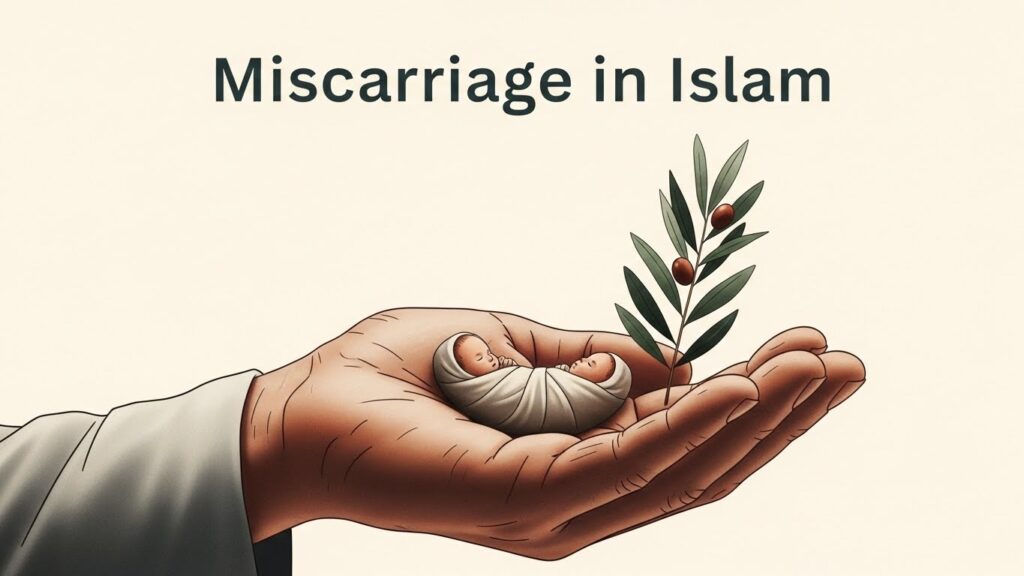
The Miscarried Fetus in Islam: Will You Meet Your Lost Child in Jannah?

The pain of miscarriage is often silent. Many parents carry their grief quietly, wondering about the fate of their unborn child and whether they will ever meet them again. Islam, however, offers powerful hope and reassurance. Through authentic Islamic teachings, believers find comfort in knowing that no loss is unnoticed by Allah. For grieving parents, the question is deeply emotional: What happens to a miscarried fetus in Islam? The answer found in the Qur’an and Sunnah brings peace to wounded hearts. Life and Loss Are Part of Allah’s Divine Decree In Islam, every soul is created by Allah with divine wisdom and purpose. Even if a pregnancy ends early, it is not meaningless. Allah reminds us that He tests believers with loss, but He also promises immense reward for patience. A miscarriage is not a punishment. It is part of Allah’s decree (Qadr), and for those who respond with faith and patience (sabr), it becomes a source of elevation in rank and forgiveness of sins. The Status of a Miscarried Child in Islam Islamic scholars explain that children who pass away before reaching maturity are under Allah’s mercy. They are free from sin and accountability. The Prophet ﷺ gave glad tidings regarding children who die young. In a narration recorded in Sunan Ibn Majah, he ﷺ mentioned that a miscarried fetus will draw its parents toward Paradise if they remain patient and seek reward from Allah. This beautiful teaching highlights two important truths: Far from being forgotten, the miscarried child becomes a means of salvation for their parents. Will Parents Meet Their Miscarried Baby in Jannah? One of the most comforting beliefs in Islam is the promise of reunion in Paradise. Authentic narrations describe that children who pass away will intercede for their parents on the Day of Judgment. In Musnad Ahmad, it is reported that the miscarried child will wait at the gates of Paradise and refuse to enter until their parents are admitted. Imagine the mercy of Allah: a child who never spoke a word in this world becomes a reason for eternal happiness in the next. For grieving mothers and fathers, this promise transforms sorrow into hope. The Reward for Patience After Miscarriage Islam does not ignore pain. The grief of losing a pregnancy is real and deeply personal. Yet the Prophet ﷺ taught that when a believer endures hardship with patience and seeks reward from Allah, their sins are forgiven and their status is elevated. Every tear shed in patience counts as worship. Every moment of trust in Allah’s wisdom is recorded. The key is intention. When parents say, “Inna lillahi wa inna ilayhi raji’un” (Indeed, we belong to Allah and to Him we return), they turn tragedy into reward. Naming and Janazah for a Miscarried Baby Islamic rulings differ slightly depending on the stage of pregnancy. Scholars explain that if the fetus had developed recognizable human features or reached a certain stage (often referenced at 120 days when the soul is breathed into the body), it should be named, washed, and offered Janazah prayer. These rulings emphasize dignity and honor for the unborn child. Even in loss, Islam recognizes the sanctity of life. Parents may choose a beautiful Islamic name and make du’a for their child. This can be part of the healing process. A Du’a for Grieving Parents During times of loss, turn to Allah with heartfelt supplication: “O Allah, reward me in my affliction and replace it with something better.” This du’a was taught by the Prophet ﷺ for anyone facing hardship. It reminds us that Allah can bring blessings even from pain. You may also ask Allah to reunite you with your child in Jannah and make them a source of intercession for you. Healing Through Faith and Trust Miscarriage often brings feelings of guilt, confusion, and unanswered questions. Islam gently removes blame and replaces it with trust in divine wisdom. Remember: Rather than seeing miscarriage as loss alone, Islam teaches believers to see it as a hidden mercy and a bridge to Paradise. Meeting Your Lost Child in Paradise Jannah is a place where there is no sadness, no pain, and no separation. Allah promises that families will be reunited in eternal happiness. For parents who endure miscarriage with faith, the hope of meeting their child again is not just emotional comfort—it is a promise rooted in authentic Islamic teachings. On that Day, what felt like unbearable grief may become the very reason for your eternal joy. Conclusion: From Sorrow to Eternal Hope The topic of miscarriage in Islam is sensitive, but it is filled with mercy and reassurance. Your lost child is not forgotten. Your tears are not wasted. Your patience is not unseen. Through faith, du’a, and trust in Allah’s wisdom, grief transforms into hope. And inshaAllah, what was once a source of pain in this world will become a source of reunion and happiness in Jannah. May Allah grant patience to every grieving parent, forgive their sins, and reunite them with their children in the highest levels of Paradise. Ameen. For more authentic Islamic reflections and Qur’anic guidance, stay connected with www.quraninsider.com

Supplications-for-a-Loved-One-Who-Passed-Away-quran-insider-1
Uncategorized

Hope and Healing in Islam: Supplications for a Loved One Who Passed Away

Losing someone you love is one of life’s deepest pains. The silence they leave behind can feel heavy, and the heart longs for comfort. Islam, however, offers believers a path of hope, patience, and healing. Through sincere supplications and trust in Allah’s mercy, grief becomes a means of spiritual growth rather than despair. Death in Islam is not the end—it is a transition from this temporary world to the everlasting Hereafter. When we understand this reality, our sorrow is softened by hope. The Islamic Perspective on Death Allah reminds us in the Qur’an that every soul will taste death and return to Him. This powerful truth teaches us that life is a test, and the Hereafter is our final destination. Grief is natural. Even the Prophet ﷺ experienced sadness when loved ones passed away. But he combined sorrow with patience (sabr) and submission to Allah’s decree. Islam encourages us to cry if we must, but never to lose hope in Allah’s wisdom and mercy. When a believer passes away, their journey continues in the grave and into the Hereafter. What remains for them from this world are their deeds—and the prayers of those who love them. The Gift of Du’a for the Deceased One of the greatest acts of love after someone’s passing is making sincere du’a for them. The Prophet ﷺ taught that when a person dies, their deeds come to an end except for three things: ongoing charity, beneficial knowledge, and a righteous child who prays for them. This narration is recorded in Sahih Muslim. This means your prayer can still benefit your loved one. Every heartfelt supplication can bring them mercy, forgiveness, and light in their grave. Never underestimate the power of raising your hands and mentioning their name before Allah. A Beautiful Du’a for Forgiveness and Mercy The Prophet ﷺ would recite a powerful supplication during the funeral prayer: “O Allah, forgive him, have mercy on him, grant him peace and pardon him. Honor his place of rest, expand his grave, wash him with water, snow and ice, and cleanse him from sins as a white garment is cleansed of dirt.” This narration is also found in Sahih Muslim. This du’a asks Allah to: Each phrase reflects the boundless mercy of Allah and reminds us that He is the Most Compassionate. A Special Supplication for Parents For those grieving a mother or father, the Qur’an teaches a deeply emotional prayer: “My Lord, have mercy upon them as they raised me when I was small.” (Qur’an 17:24) This short yet powerful du’a acknowledges the sacrifices of parents and asks Allah to reward them with eternal mercy. Regularly praying for deceased parents is among the most rewarding acts a believer can perform. Words of Patience During Grief When tragedy strikes, the Prophet ﷺ encouraged believers to say: “Indeed, we belong to Allah, and indeed to Him we will return.” This statement renews faith in Allah’s plan. It reminds us that our loved ones were always entrusted to us by Allah, and He has now called them back. Repeating these words during grief brings calmness and spiritual strength. It transforms pain into patience and sadness into reward. Continuing Good Deeds on Their Behalf Beyond supplication, Islam encourages ongoing charity for the deceased. Giving in charity in their name, supporting Islamic education, distributing Qur’ans, or building wells are examples of continuous charity that can benefit them long after their passing. You can also: These actions not only benefit your loved one but also bring healing to your heart. Finding Comfort Through Faith Grief does not disappear overnight. But faith gives it meaning. Allah is more merciful to your loved one than anyone else. Trust that He sees every tear you shed and hears every du’a you whisper. Instead of asking, “Why did this happen?” try asking, “How can I turn this test into reward?” Through patience, prayer, and remembrance, loss becomes a means of drawing closer to Allah. True healing comes when the heart accepts Allah’s decree while remaining hopeful in His promise of reunion in Jannah. A Comprehensive Du’a for Mercy and Light You may regularly recite this supplication: “O Allah, forgive our living and our dead, those present and those absent, our young and our old. O Allah, grant our deceased light in their graves and admit them into Your vast mercy.” Make it a habit to remember your loved ones in your daily prayers. Speak their names. Ask Allah to reunite you with them in the highest levels of Paradise without reckoning. Conclusion: Turning Grief into Hope The pain of losing someone dear is real, but Islam transforms grief into hope. Through sincere supplication, ongoing charity, and patience, believers continue their bond of love even after death. May Allah forgive our departed loved ones, expand their graves with light, shower them with mercy, and reunite us with them in Jannah. Ameen. For more authentic Qur’anic reflections and Islamic reminders, visit www.quraninsider.com and continue strengthening your faith through knowledge and remembrance.

anger-quran-insider
Anger Issues

Five Powerful Ways to Control Anger in Islam

Anger is a natural human emotion. It can arise when we feel hurt, threatened, or treated unfairly. In some cases, anger can even be justified. However, when it crosses limits, it damages relationships, harms our mental well-being, and distances us from righteousness. Islam offers practical and spiritual guidance on anger management, teaching believers how to control emotions rather than being controlled by them. A famous narration reported in Sahih al-Bukhari (no. 6166) mentions that a man repeatedly asked the Prophet ﷺ for advice, and each time he replied: “Do not get angry.” This instruction does not mean eliminating anger completely. Rather, it teaches us to restrain and manage anger so it does not overpower our actions or words. Below are five Prophetic tips, along with a powerful du’a, to help Muslims control anger and seek Allah’s pleasure. 1. Seek Refuge in Allah from Shaytan One of the most effective Islamic remedies for anger is seeking protection from Shaytan. The Prophet ﷺ taught that when a person becomes angry and says: أعوذُ باللهِ مِنَ الشيطانِ الرجيمA’udhu billahi min ash-shaytan ir-rajim“I seek refuge with Allah from the accursed Satan,” their anger subsides. This guidance is supported by narrations found in Sunan Abi Dawud and Saheeh al-Jaami’ al-Sagheer, which describe how the Prophet ﷺ identified anger as a whispering from Shaytan. The Qur’an itself commands: “If you are tempted by Satan, seek refuge with Allah. Surely He is All-Hearing, All-Knowing.” (7:200) Understanding that anger can be a spiritual test helps us pause and remember Allah. This short dhikr reconnects the heart to its Creator and weakens Shaytan’s influence. 2. Change Your Physical Position Islam beautifully connects emotional control with physical action. The Prophet ﷺ advised: “If one of you becomes angry while standing, let him sit down. If the anger does not leave him, then let him lie down.”(Reported in Sahih Ibn Hibban) Changing posture reduces physical tension and interrupts the escalation of anger. It brings awareness to breathing and body language. If necessary, step away from the situation entirely. Walking away is not weakness—it is wisdom. Creating physical distance often allows clarity and prevents regretful reactions. 3. Remain Silent During Anger How many times have harsh words spoken in anger led to broken hearts and damaged relationships? The Prophet ﷺ said: “When one of you becomes angry, let him remain silent.”(Reported in Musnad Ahmad) Silence is a shield. Words spoken in rage cannot be taken back. By pausing speech, we allow emotions to cool and prevent unnecessary harm. Islam teaches emotional intelligence long before modern psychology emphasized it. Silence during anger protects marriages, friendships, and families from long-term damage. 4. Perform Wudu (Ablution) The Prophet ﷺ explained that anger comes from fire, and fire is extinguished with water. He advised believers to perform wudu when angry, as mentioned in Sunan Abi Dawud. Ablution has both physical and spiritual effects: Performing wudu reconnects us with salah and realigns our hearts toward Allah. Instead of reacting emotionally, we transition into a state of purification and remembrance. 5. Remember the Reward for Controlling Anger Islam does not just command self-control; it promises immense reward for it. In Sahih Muslim, the Prophet ﷺ explained that true strength is not physical dominance, but the ability to control oneself when angry. Another narration in al-Mu’jam al-Awsat lil-Tabarani highlights that avoiding anger can be a means to enter Paradise. Furthermore, reports mention that whoever restrains their anger will be protected from Allah’s punishment. This shifts our perspective. Every moment of restraint becomes an act of worship. Every time we swallow anger for Allah’s sake, we invest in our eternal success. A Powerful Du’a to Remove Anger Along with practical steps, Islam encourages heartfelt supplication. A narration in Musnad Ahmad teaches this beautiful du’a: اللَّهُمَّ اغْفِرْ لِي ذَنْبِي، وَأَذْهِبْ غَيْظَ قَلْبِي، وَأَعِذْنِي مِنْ مُضِلاتِ الْفِتَنِ مَا أَحْيَيْتَنَا Allahumma-ghfir li dhanbi, wa adhhib ghayza qalbi, wa a’idhni min mudillatil-fitn ma ahyaytana. “O Allah, forgive my sins, remove the anger from my heart, and protect me from trials of misguidance as long as You keep me alive.” This du’a not only asks for emotional relief but also spiritual protection. Conclusion: True Strength Lies in Self-Control Anger management in Islam is not about suppressing emotions. It is about mastering them for the sake of Allah. The Prophet ﷺ redefined strength—not as overpowering others, but as overpowering one’s own anger. If you struggle with anger, remember that you are not alone. Self-control takes practice and patience. By seeking refuge in Allah, changing posture, remaining silent, performing wudu, remembering the reward, and making du’a, you gradually build a calm and composed character. With consistent effort, anger transforms from a destructive force into an opportunity for spiritual growth. May Allah grant us hearts filled with patience, tongues guarded from harm, and the strength to control our anger. Ameen. For more authentic Islamic guidance, Qur’anic wisdom, and Prophetic teachings, stay connected with [www.quraninsider.com].

Benefits-of-Reading-Quran
Quran Insights

Benefits of Reading Qur’an: Spiritual Rewards and Life-Changing Guidance

The Qur’an is not just a holy book—it is a complete guide for humanity. As the eternal and literal word of Allah, it provides divine wisdom, commandments, and principles for every aspect of life. Revealed nearly 1,500 years ago to the Prophet Muhammad (peace be upon him) through Angel Jibril over a span of 23 years, the Qur’an remains unchanged and relevant for all generations. Divided into 30 sections (Juz), 114 chapters (Surahs), and more than 6,000 verses (Ayahs), the Qur’an is a timeless source of spiritual healing, faith-building, and practical life guidance. Let us explore the powerful benefits of reading the Qur’an regularly. 1. Discovering the True Purpose of Life One of the greatest blessings of reading the Qur’an is understanding why we were created. Many people search for meaning, but Allah clearly states that mankind and jinn were created to worship Him alone (51:56). By reflecting on Qur’anic verses, believers gain clarity about their life purpose, responsibilities, and ultimate destination. It answers life’s biggest questions with certainty and wisdom. SEO Keywords: purpose of life in Islam, why Allah created humans, Islamic life mission 2. Receiving Divine Guidance for Daily Living The Qur’an describes itself as a book without doubt—a guide for those who are mindful of Allah (2:2). It teaches us: Reading the Qur’an daily strengthens decision-making and helps Muslims align their actions with Allah’s commands. SEO Keywords: Islamic guidance, Quranic lifestyle, how to please Allah 3. The Path to Jannah and Protection from Sin The Qur’an clearly distinguishes between the people of faith and those who reject guidance (68:35). It describes the beauty of Jannah (Paradise) and warns against actions that lead to punishment. Through its verses, believers learn: Regular recitation reminds us to stay on the straight path and avoid actions that displease Allah. SEO Keywords: attain Jannah, avoid Allah’s punishment, Islamic success in afterlife 4. Strengthening Iman (Faith) Faith naturally increases when believers listen to and reflect upon Allah’s words. The Qur’an mentions that when His verses are recited, true believers feel humility and their faith grows stronger (8:2). Reading the Qur’an consistently: It reconnects the soul to its Creator. SEO Keywords: increase Iman, strengthen faith in Islam, spiritual growth Quran 5. Intercession on the Day of Judgment The Prophet Muhammad (peace be upon him) said that the Qur’an will intercede for those who recite it on the Day of Judgment (Muslim). Imagine standing before Allah and having the Qur’an speak in your favor. This powerful promise motivates believers to build a lifelong relationship with the Book of Allah. SEO Keywords: Quran intercession, Day of Judgment in Islam, rewards of reciting Quran 6. Healing and Purification of the Heart Allah describes the Qur’an as a cure for what lies within the hearts (10:57). In today’s world filled with anxiety, stress, and confusion, Qur’anic recitation brings: Its verses cleanse negative thoughts and replace them with hope and gratitude. SEO Keywords: Quran healing, spiritual cure in Islam, peace through Quran 7. Understanding Life After Death The Qur’an provides detailed knowledge about the Hereafter. It explains that the righteous will be in eternal bliss while wrongdoers face consequences (82:13–14). By reading about the Day of Resurrection, accountability, and eternal life, believers become more conscious of their actions and strive to live responsibly. SEO Keywords: life after death in Islam, Islamic belief in afterlife, Quran about Jannah and Hell 8. Immense Rewards for Every Letter Reciting even a single letter from the Qur’an brings multiplied rewards. The Prophet Muhammad (peace be upon him) taught that each letter earns ten rewards (Tirmidhi). He also said that those who recite beautifully will be in the company of noble angels, while those who struggle will receive double reward for their effort. This shows Allah’s mercy—every effort counts. SEO Keywords: rewards of reading Quran, Quran recitation benefits, Islamic good deeds 9. Becoming Among the Best of People The Prophet Muhammad (peace be upon him) stated that the best among people are those who learn the Qur’an and teach it to others (Sahih al-Bukhari). Teaching the Qur’an spreads guidance, strengthens communities, and leaves behind a lasting legacy of good deeds. SEO Keywords: learn and teach Quran, best Muslims in Islam, Quran education rewards Final Reflection: Build a Daily Connection with the Qur’an The Qur’an is not meant to sit on a shelf—it is meant to transform hearts and lives. Even a few verses a day can reshape your mindset, strengthen your faith, and guide your decisions. Whether you are seeking spiritual healing, deeper understanding, or closeness to Allah, the solution lies in reconnecting with His Book. For more authentic Islamic insights, Quranic reflections, and faith-based guidance, stay connected with [www.quraninsider.com] — your global source for meaningful Islamic knowledge.

Scroll to Top