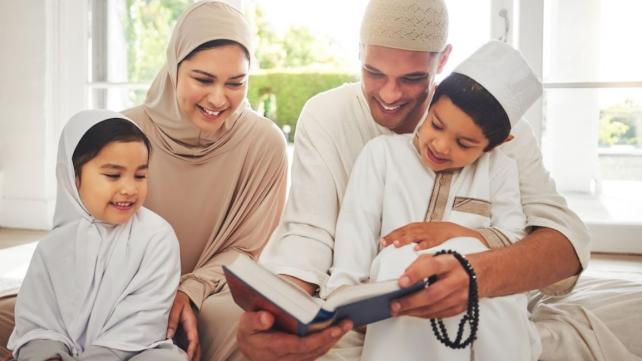
Every child grows up with memories shaped by family expectations, discipline, and love. In many homes, parents push their children to achieve higher grades, better careers, and stronger reputations. While these expectations often come from care and concern, they can sometimes feel overwhelming.
Islam teaches balance — between guidance and mercy, discipline and compassion. True parental success is not only measured by academic results, but by nurturing emotionally secure and spiritually grounded children.
Growing Up Under High Expectations
Many of us remember being compared to others — a neighbor’s child who scored higher marks, a cousin with better achievements, or someone praised for their talents. Questions like “Why didn’t you get the top grade?” can leave lasting emotional impressions.
At the time, such comparisons may feel unfair. A child may think they are never “good enough,” no matter how hard they try. Constant comparison can unintentionally create pressure instead of motivation.
However, with time and maturity, perspectives often change.
A New Perspective with Age
As we grow older, we begin to understand our parents’ struggles. What once seemed harsh may later appear as sacrifice.
A mother working long hours for small wages.
A father sacrificing comfort to pay school fees.
Parents holding high standards because they dreamed of a better future for their children.
Looking back, we often realize that behind strict expectations was a deep desire to see us succeed.
Islam recognizes the immense sacrifices parents make. The Qur’an reminds believers of the hardship mothers endure and commands kindness in return.
Becoming a Parent Changes Everything
When a person becomes a parent, their understanding deepens. Raising children reveals how difficult and emotional the journey can be.
As parents, we may ask ourselves:
- Am I comparing my children to others?
- Am I placing unrealistic pressure on them?
- Am I nurturing confidence or fear?
Every child is unique. Allah has created each person with different strengths, talents, and abilities. Success does not look the same for everyone.
Islam Encourages Individual Strengths
Islam teaches that every human being is created with purpose. Comparing children constantly can damage their self-worth.
Instead of comparison, parents should:
- Recognize individual talents
- Encourage personal growth
- Offer emotional support
- Celebrate effort, not just results
Allah’s wisdom ensures that every child has unique potential. Our role is to guide them, not mold them into copies of others.
The Power of Unconditional Love
Unconditional love means loving your child regardless of achievements, mistakes, or failures. It means standing beside them even when they fall short of expectations.
The Prophet Muhammad (peace be upon him) demonstrated gentleness and affection toward children. He valued mercy over harshness and compassion over criticism.
Children who feel secure in their parents’ love develop:
- Strong self-confidence
- Emotional stability
- Trust in family
- Faith in Allah’s mercy
Love should not depend on grades, performance, or comparison.
Breaking the Cycle of Comparison
Even if someone did not fully experience unconditional love while growing up, they can choose to give it to their own children.
Breaking the cycle means:
- Avoiding negative comparisons
- Offering constructive advice with kindness
- Listening without judgment
- Showing affection openly
By doing so, parents create a safe environment where children feel valued for who they are.
Loving Yourself Through Allah’s Mercy
Unconditional love is not limited to parenting. Each individual must also learn to treat themselves with compassion.
Allah’s mercy is vast. He knows our weaknesses, struggles, and limitations. When we make mistakes, He invites us to repent rather than despair.
Understanding Allah’s mercy helps us develop self-acceptance and emotional healing.
Raising Children with Faith and Compassion
Islamic parenting is built on:
- Mercy
- Patience
- Guidance
- Encouragement
- Trust in Allah
Children need both direction and emotional safety. High standards are not wrong, but they should be balanced with empathy and understanding.
When children feel loved unconditionally, they grow into confident adults who trust both their parents and their Creator.
Final Reflection
Unconditional love is a powerful gift. It heals past wounds and builds stronger futures. While parents may sometimes express love through high expectations, true growth happens when compassion accompanies guidance.
Every child is unique. Every parent learns through experience. And above all, Allah’s mercy surrounds us in every stage of life.
Let us raise our children with patience, faith, and unconditional love.
For more Quran-based reflections on family, parenting, and Islamic values, stay connected with [www.quraninsider.com].