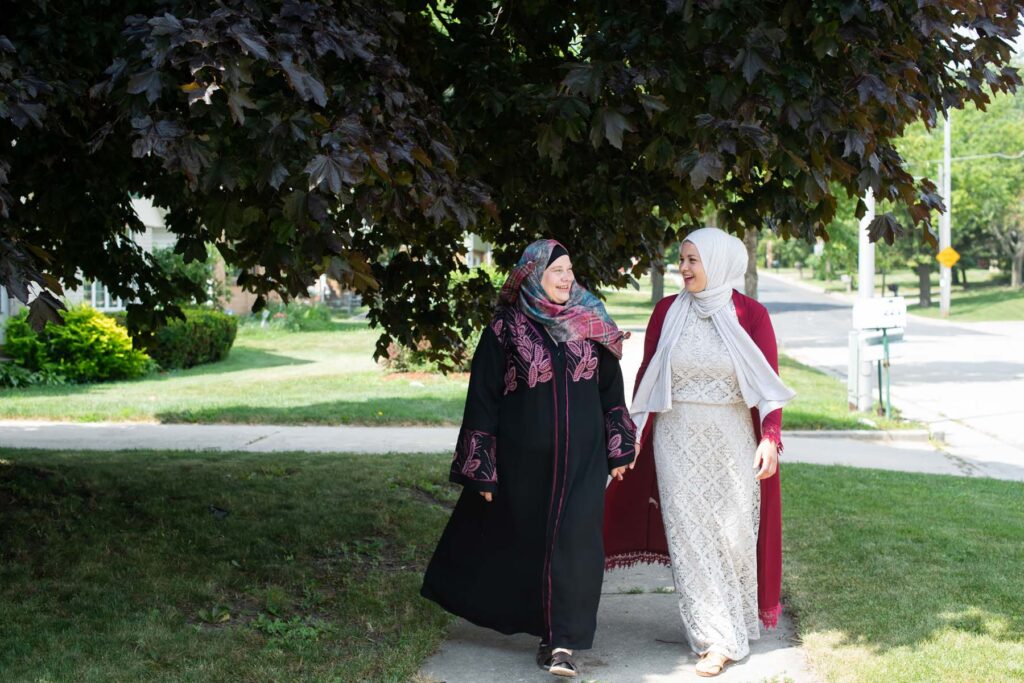
In today’s world, many still ask: How does Islam treat women? What is the role of women in Islam? Are Muslim women oppressed?
These questions often arise from misunderstanding rather than knowledge. Islam honors women with dignity, rights, and spiritual equality. While the responsibilities of men and women may differ, their value before Allah is equal.
For readers of www.quraninsider.com, this article explores the honored position of women in Islam — as daughters, wives, and mothers — through the guidance of the Qur’an and the teachings of Prophet Muhammad (peace be upon him).
The Status of Women in Islam
Islam reformed society at a time when women were mistreated and deprived of rights. The Qur’an elevated their position and recognized them as independent individuals with:
- The right to education
- The right to inheritance
- The right to choose a spouse
- The right to dignity and respect
In fact, an entire chapter of the Qur’an — Surah An-Nisa — is dedicated to laws and guidance concerning women.
Islam does not define women by weakness or inferiority. Instead, it recognizes their spiritual strength, emotional depth, and essential role in building families and societies.
A Daughter: A Blessing, Not a Burden
When a daughter is born into a Muslim family, she is considered a source of blessing and mercy. Islam strongly condemns the pre-Islamic mindset that viewed daughters as shame or burden.
The Prophet ﷺ promised immense reward for raising daughters with care and righteousness. He said that whoever raises two daughters with patience and kindness until adulthood will be close to him on the Day of Judgment — as close as two joined fingers (reported in Sahih Muslim).
This powerful Hadith shows the spiritual reward of nurturing daughters with love and responsibility.
The Prophet ﷺ himself had four daughters and showed them deep affection. Regarding his beloved daughter Fatimah, he said that whoever angers her angers him (reported in Sahih al-Bukhari). This demonstrates the emotional and spiritual value given to daughters in Islam.
A daughter in Islam is not a liability — she is a pathway to Paradise for parents who raise her according to Islamic principles.
A Wife: A Partner, Not a Servant
Another common misconception is that Islam reduces a wife to servitude. In reality, Islam describes marriage as a relationship of tranquility, mercy, and partnership.
Allah says:
“And We created you in pairs.” (Qur’an 78:8)
Marriage in Islam is built on mutual respect, compassion, and shared responsibility. Forced marriage is not allowed. The Prophet ﷺ made it clear that a woman’s consent is necessary for a valid marriage (reported in Sahih al-Bukhari).
The Qur’an states:
“Men are the protectors and maintainers of women…” (Qur’an 4:34)
This verse establishes responsibility, not superiority. A husband is financially responsible for the family and must protect and honor his wife. A wife, in turn, supports her husband, safeguards the household, and preserves mutual dignity.
In Arabic culture, a wife is sometimes referred to as Rabbaitul Bait — meaning the queen or caretaker of the home — reflecting honor rather than oppression.
The Prophet ﷺ emphasized kindness toward wives, teaching that the best of men are those who are best to their families.
A righteous wife balances personal goals with family responsibilities, voices her opinions respectfully, and builds a home based on faith and love.
A Mother: The Highest Rank of Honor
Among all roles, motherhood holds the greatest honor in Islam.
Allah reminds us of a mother’s sacrifice:
“His mother carried him in hardship and gave birth to him in hardship…” (Qur’an 46:15)
This verse acknowledges the physical and emotional struggle of pregnancy, childbirth, and upbringing. Islam commands children to show gratitude and obedience to their parents, especially mothers.
The Prophet ﷺ declared that Paradise lies at the feet of mothers (reported in Jami at-Tirmidhi). In another narration from Sahih al-Bukhari, he warned against being undutiful to mothers.
When a companion asked who deserved the best treatment, the Prophet ﷺ replied: “Your mother” — three times — before mentioning the father.
This repeated emphasis shows the elevated status of mothers in Islam. A mother shapes future generations, instills faith, and nurtures character. Her influence extends beyond her home into society itself.
Women as Leaders and Examples in Islam
Islamic history further proves the strength and honor of Muslim women.
- The first person to believe in the Prophet ﷺ was Khadija bint Khuwaylid (RA), a successful businesswoman and devoted supporter.
- The first martyr in Islam was Sumayyah bint Khayyat (RA), who stood firm in faith despite persecution.
These examples show that Muslim women were pioneers of courage, faith, and leadership from the earliest days of Islam.
Debunking the Myth: “Muslim Women Are Oppressed”
The claim that Muslim women are oppressed often ignores Islamic teachings and focuses on cultural practices that contradict Islam.
Islam grants women:
- Financial independence
- The right to own property
- The right to inheritance
- The right to education
- The right to seek divorce under certain conditions
- The right to dignity and protection
Oppression occurs when Islamic principles are ignored — not when they are followed.
True Islamic teachings uplift women spiritually, socially, and legally.
Conclusion: The Honor of Being a Muslim Woman
From daughter to wife to mother, women in Islam hold honored and irreplaceable roles. They are nurturers of faith, builders of families, and pillars of society.
Islam recognizes their strength, safeguards their dignity, and promises immense reward for fulfilling their roles with sincerity.
Being a Muslim woman is not a limitation — it is a position of privilege and responsibility.
May Allah grant all Muslim women respect, justice, and the highest ranks in Jannah. Ameen.