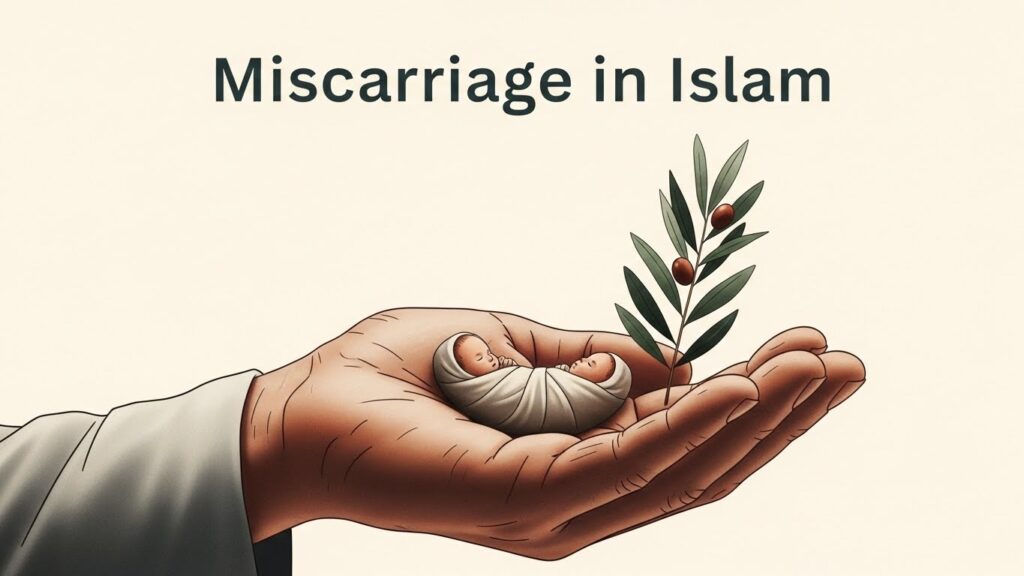
The pain of miscarriage is often silent. Many parents carry their grief quietly, wondering about the fate of their unborn child and whether they will ever meet them again. Islam, however, offers powerful hope and reassurance. Through authentic Islamic teachings, believers find comfort in knowing that no loss is unnoticed by Allah.
For grieving parents, the question is deeply emotional: What happens to a miscarried fetus in Islam? The answer found in the Qur’an and Sunnah brings peace to wounded hearts.
Life and Loss Are Part of Allah’s Divine Decree
In Islam, every soul is created by Allah with divine wisdom and purpose. Even if a pregnancy ends early, it is not meaningless. Allah reminds us that He tests believers with loss, but He also promises immense reward for patience.
A miscarriage is not a punishment. It is part of Allah’s decree (Qadr), and for those who respond with faith and patience (sabr), it becomes a source of elevation in rank and forgiveness of sins.
The Status of a Miscarried Child in Islam
Islamic scholars explain that children who pass away before reaching maturity are under Allah’s mercy. They are free from sin and accountability.
The Prophet ﷺ gave glad tidings regarding children who die young. In a narration recorded in Sunan Ibn Majah, he ﷺ mentioned that a miscarried fetus will draw its parents toward Paradise if they remain patient and seek reward from Allah.
This beautiful teaching highlights two important truths:
- The child is safe under Allah’s mercy.
- The parents’ patience can lead them to Jannah.
Far from being forgotten, the miscarried child becomes a means of salvation for their parents.
Will Parents Meet Their Miscarried Baby in Jannah?
One of the most comforting beliefs in Islam is the promise of reunion in Paradise. Authentic narrations describe that children who pass away will intercede for their parents on the Day of Judgment.
In Musnad Ahmad, it is reported that the miscarried child will wait at the gates of Paradise and refuse to enter until their parents are admitted.
Imagine the mercy of Allah: a child who never spoke a word in this world becomes a reason for eternal happiness in the next.
For grieving mothers and fathers, this promise transforms sorrow into hope.
The Reward for Patience After Miscarriage
Islam does not ignore pain. The grief of losing a pregnancy is real and deeply personal. Yet the Prophet ﷺ taught that when a believer endures hardship with patience and seeks reward from Allah, their sins are forgiven and their status is elevated.
Every tear shed in patience counts as worship. Every moment of trust in Allah’s wisdom is recorded.
The key is intention. When parents say, “Inna lillahi wa inna ilayhi raji’un” (Indeed, we belong to Allah and to Him we return), they turn tragedy into reward.
Naming and Janazah for a Miscarried Baby
Islamic rulings differ slightly depending on the stage of pregnancy. Scholars explain that if the fetus had developed recognizable human features or reached a certain stage (often referenced at 120 days when the soul is breathed into the body), it should be named, washed, and offered Janazah prayer.
These rulings emphasize dignity and honor for the unborn child. Even in loss, Islam recognizes the sanctity of life.
Parents may choose a beautiful Islamic name and make du’a for their child. This can be part of the healing process.
A Du’a for Grieving Parents
During times of loss, turn to Allah with heartfelt supplication:
“O Allah, reward me in my affliction and replace it with something better.”
This du’a was taught by the Prophet ﷺ for anyone facing hardship. It reminds us that Allah can bring blessings even from pain.
You may also ask Allah to reunite you with your child in Jannah and make them a source of intercession for you.
Healing Through Faith and Trust
Miscarriage often brings feelings of guilt, confusion, and unanswered questions. Islam gently removes blame and replaces it with trust in divine wisdom.
Remember:
- Allah is Most Just.
- Allah is Most Merciful.
- Your child is in a place free from suffering.
- Your patience can lead to eternal reunion.
Rather than seeing miscarriage as loss alone, Islam teaches believers to see it as a hidden mercy and a bridge to Paradise.
Meeting Your Lost Child in Paradise
Jannah is a place where there is no sadness, no pain, and no separation. Allah promises that families will be reunited in eternal happiness.
For parents who endure miscarriage with faith, the hope of meeting their child again is not just emotional comfort—it is a promise rooted in authentic Islamic teachings.
On that Day, what felt like unbearable grief may become the very reason for your eternal joy.
Conclusion: From Sorrow to Eternal Hope
The topic of miscarriage in Islam is sensitive, but it is filled with mercy and reassurance. Your lost child is not forgotten. Your tears are not wasted. Your patience is not unseen.
Through faith, du’a, and trust in Allah’s wisdom, grief transforms into hope. And inshaAllah, what was once a source of pain in this world will become a source of reunion and happiness in Jannah.
May Allah grant patience to every grieving parent, forgive their sins, and reunite them with their children in the highest levels of Paradise. Ameen.
For more authentic Islamic reflections and Qur’anic guidance, stay connected with www.quraninsider.com