We are living in the blessed days of Ramadan — the month of fasting, night prayers, mercy, and generosity. It is a sacred time when Muslims strengthen their connection with Allah and extend kindness to His creation.
Our Creator commands us to fulfill two essential responsibilities: worship Him sincerely and support His creation, especially those in need. This is achieved through acts of devotion and charity, both obligatory and voluntary. Among the most important forms of obligatory charity in Islam are Zakah and Zakat al-Fitr.
What is Zakah? Meaning and Spiritual Significance
Zakah is one of the five pillars of Islam and a mandatory act of worship mentioned repeatedly in the Qur’an. The word Zakah means growth, increase, and purification. It purifies lawful (halal) wealth and removes selfishness from the heart.
Zakah is not merely financial assistance — it is a spiritual cleansing of income and savings. By giving a portion of one’s wealth to eligible recipients, a Muslim acknowledges that all sustenance comes from Allah and must be shared responsibly.
When and Who Must Pay Zakah?
Zakah becomes obligatory on every Muslim who meets the minimum wealth threshold known as Nisab. If a person’s savings or assets remain equal to or above the Nisab for one full lunar year, they must give Zakah.
Unlike Zakat al-Fitr, Zakah can be paid at any time during the year once it becomes due. However, many Muslims prefer to give it during Ramadan because rewards for good deeds are multiplied in this blessed month.
Why Many Muslims Pay Zakah in Ramadan
Although Zakah is not restricted to Ramadan, giving it in this sacred month increases spiritual rewards. Ramadan is a time when hearts are softer, generosity rises, and believers seek maximum blessings.
By fulfilling this obligation during Ramadan, Muslims combine the reward of charity with the reward of fasting and prayer, strengthening their faith and social responsibility.
What is Zakat al-Fitr (Fitrana)?
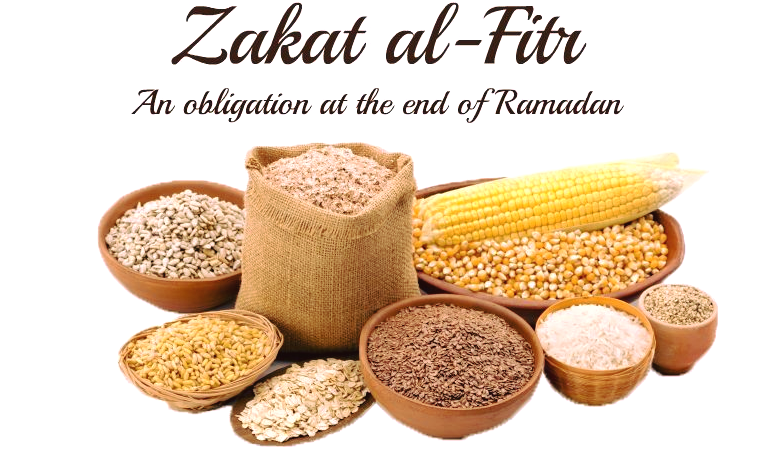
Zakat al-Fitr, also known as Fitrana, is a special form of charity given specifically at the end of Ramadan. It is meant to help poor and needy Muslims celebrate Eid al-Fitr with dignity and happiness.
Unlike annual Zakah, Zakat al-Fitr is directly linked to the completion of fasting. It serves as:
- A purification for any shortcomings in fasting
- Financial support for the less fortunate
- A means of spreading joy on Eid
Who Must Pay Zakat al-Fitr?
Every adult Muslim who has food or wealth beyond their basic needs must give Zakat al-Fitr. It is required for each member of the household, including children.
The most important condition is timing. Zakat al-Fitr must reach eligible recipients before the Eid prayer. If it is delayed until after the prayer, it loses its status as Zakat al-Fitr and becomes ordinary charity.
Key Differences Between Zakah and Zakat al-Fitr
While both are obligatory charities, they differ in purpose and timing:
1. Timing
- Zakah: Paid once a year when wealth reaches Nisab.
- Zakat al-Fitr: Paid at the end of Ramadan before Eid prayer.
2. Purpose
- Zakah: Purifies wealth and redistributes resources.
- Zakat al-Fitr: Purifies fasting and supports Eid celebrations for the poor.
3. Eligibility
- Zakah: Required only for those who meet the Nisab threshold.
- Zakat al-Fitr: Required for every Muslim who has surplus food or wealth.
Both forms of charity strengthen the Islamic system of social justice and ensure that no one is left behind during times of celebration.
The Social Impact of Islamic Charity
Islam promotes a balanced economic system where wealth circulates within the community. Through Zakah and Zakat al-Fitr, poverty is reduced, dignity is preserved, and social bonds are strengthened.
These obligations remind believers that wealth is a trust from Allah. By fulfilling them sincerely, Muslims not only earn divine reward but also contribute to building a compassionate global Ummah.
A Reminder for Every Muslim
As Ramadan continues, it is important to reflect on our financial responsibilities along with our spiritual goals. Prayer, fasting, and charity are interconnected acts of worship.
By giving Zakah and Zakat al-Fitr properly and on time, we purify our wealth, complete our fasting, and spread happiness among those who need it most.
May Allah accept our worship, increase our generosity, and make us among those who fulfill their obligations with sincerity.
For more authentic Quran-based guidance and Islamic insights, stay connected with [www.quraninsider.com].