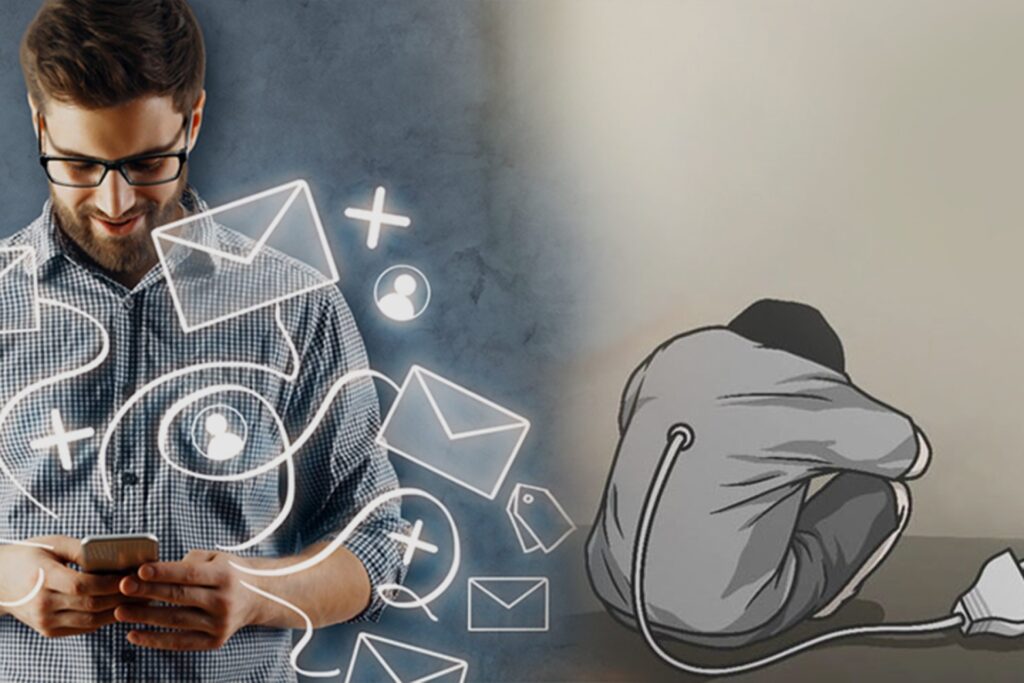
In today’s digital age, social media has become one of the most powerful tools of communication. With just a single post, message, or video, a person can reach millions across the globe within seconds. Platforms like WhatsApp, Facebook, Telegram, and Viber connect people beyond borders.
From an Islamic perspective, social media can either become a source of continuous reward (Sadaqah Jariyah) or a means of multiplying sins. The choice depends on how we use it.
Social Media: A Tool That Can Lead to Good or Harm
Social networking platforms are like open fields — what you plant is what you harvest. A beneficial reminder, Quranic verse, Islamic lecture, or kind message can spread positivity and earn rewards long after it is posted.
However, harmful content such as gossip, slander, immodesty, or misinformation can spread just as quickly. Every share, like, or comment contributes to its circulation — and its accountability.
Islam teaches that every word we speak or write is recorded. In the digital era, our posts and chats are no exception.
A Powerful Reminder from Mufti Menk
Renowned Islamic scholar Mufti Menk frequently reminds Muslims about responsible online behavior. He emphasizes that social media should be used to promote goodness, spread beneficial knowledge, and maintain respectful communication.
He warns that misusing social platforms can damage reputations, relationships, and most importantly, one’s relationship with Allah.
The Reality of the Information Superhighway
We are living in a time where digital footprints never truly disappear. Messages, posts, and even private chats can be retrieved years later. What may seem temporary today could resurface tomorrow.
This reality should encourage Muslims to think before they post:
- Is this message truthful?
- Is it beneficial?
- Is it respectful?
- Would I be comfortable if this appears before Allah on the Day of Judgment?
Islamic digital ethics require responsibility and mindfulness.
Turning Social Media into a Source of Reward
Instead of misusing social platforms, Muslims can transform them into tools of goodness by:
- Sharing authentic Quranic reminders
- Promoting Islamic values and good character
- Encouraging kindness and unity
- Supporting beneficial causes
- Building respectful and moral friendships
Even a small act of goodness online — a comforting message, a dua, or a reminder — can impact someone’s life positively.
Avoiding Common Social Media Sins
Some common online behaviors that Muslims should avoid include:
- Backbiting and gossip
- Spreading unverified news
- Posting inappropriate content
- Engaging in arguments or insults
- Wasting excessive time without purpose
Islam encourages moderation in all aspects of life, including digital interaction. Time is a blessing from Allah, and wasting it carelessly can lead to regret.
Building Meaningful Digital Relationships
Social media can help create global connections and positive friendships. However, relationships must remain within Islamic boundaries.
Communication between individuals should reflect modesty, respect, and sincerity. Digital interaction should never compromise Islamic values or personal dignity.
When used wisely, social media can strengthen the Muslim Ummah, spread awareness, and inspire positive change worldwide.
A Future Guided by Faith and Responsibility
Every click, share, and comment has consequences. Social media is neither entirely good nor entirely bad — it depends on how we use it.
If we use our mobile phones and online accounts for spreading kindness, knowledge, and moral values, Allah will bless our efforts and guide us toward a brighter future.
Let us aim to leave behind a digital legacy filled with goodness rather than regret.
Final Reflection
Social media is a powerful gift of modern technology. It can become a pathway to reward or a source of accountability. As Muslims, we must use it responsibly, ethically, and with consciousness of Allah.
Before posting anything, pause and reflect: does this please Allah?
For more Quran-based guidance on modern issues and Islamic lifestyle, stay connected with [www.quraninsider.com].