faithful-spouse-quran-insider-1
Muslims Marriage

Choose a Faithful Spouse: An Islamic Perspective on Marriage

Marriage in Islam is not just a social contract; it is a sacred bond built on faith, character, and mutual respect. In a powerful Hadith, Muhammad (peace be upon him) said: “A woman is sought in marriage for four things: her wealth, her beauty, her family status, and her faith. So choose the one who is religious, may your hands be rubbed with dust (i.e., may you prosper).” This timeless guidance highlights an important truth: while society often prioritizes wealth, beauty, and status, Islam gives the highest importance to faith (Iman) and character when choosing a spouse. What Islam Teaches About Choosing a Spouse In today’s world, many marriages are influenced by financial stability, social reputation, or physical appearance. Although these factors may have some value, they should never outweigh religious commitment and moral character. According to the teachings of the Qur’an and Sunnah, a strong foundation of faith ensures: When faith is the center of marriage, love and understanding naturally grow. Why Faith Matters More Than Wealth or Beauty Wealth can decrease. Beauty fades. Social status changes. But sincere faith and good character remain constant. A spouse who fears Allah will: A God-fearing partner becomes a source of comfort, guidance, and strength. This is the true success of an Islamic marriage. Guidance for Parents: Selecting a Righteous Partner The responsibility of choosing a spouse is not limited to individuals alone. Parents also play a significant role, especially when selecting a husband for their daughter. Islam advises parents to prioritize: Just as men are advised to choose a woman of faith, families should also ensure that a daughter marries a righteous and trustworthy man. When both partners are committed to Islam, their marriage becomes a means of earning reward and building a harmonious home. Islam Rejects Dowry Culture and Material Demands Islam strictly opposes the harmful cultural practice of demanding dowry, property, furniture, land, or expensive gifts as a condition for marriage. Marriage in Islam is meant to be simple, honorable, and free from financial pressure. The Prophet (peace be upon him) encouraged ease in marriage and warned against burdening families with unnecessary demands. Dowry culture creates stress, injustice, and inequality. A marriage based on material expectations often lacks spiritual depth. True Islamic marriage is built on mutual understanding and taqwa (God-consciousness), not wealth or property. Building a Successful Marriage Through Faith A faithful spouse creates a home filled with: When both husband and wife prioritize their relationship with Allah, their relationship with each other strengthens naturally. Faith helps couples resolve conflicts wisely and maintain unity even during challenges. Marriage in Islam is not about luxury — it is about partnership in faith and striving together for Jannah. A Reminder for the Muslim Ummah As Muslims around the world seek marriage, it is essential to remember the guidance of our beloved Prophet (peace be upon him). Choosing a spouse should never be reduced to beauty, wealth, or social standing. Instead, prioritize: A faithful and God-conscious spouse is one of the greatest blessings in this life. Through such a partnership, couples can build a home that reflects Islamic principles and earns the pleasure of Allah. Choosing a righteous spouse is not just a personal decision — it is an investment in your faith, your family, and your future. For more Quran-based insights on marriage, faith, and Islamic living, stay connected with [www.quraninsider.com]

zakat-ul-fitr-quran-insider
Zakat

Understanding Zakah and Zakat al-Fitr in Ramadan

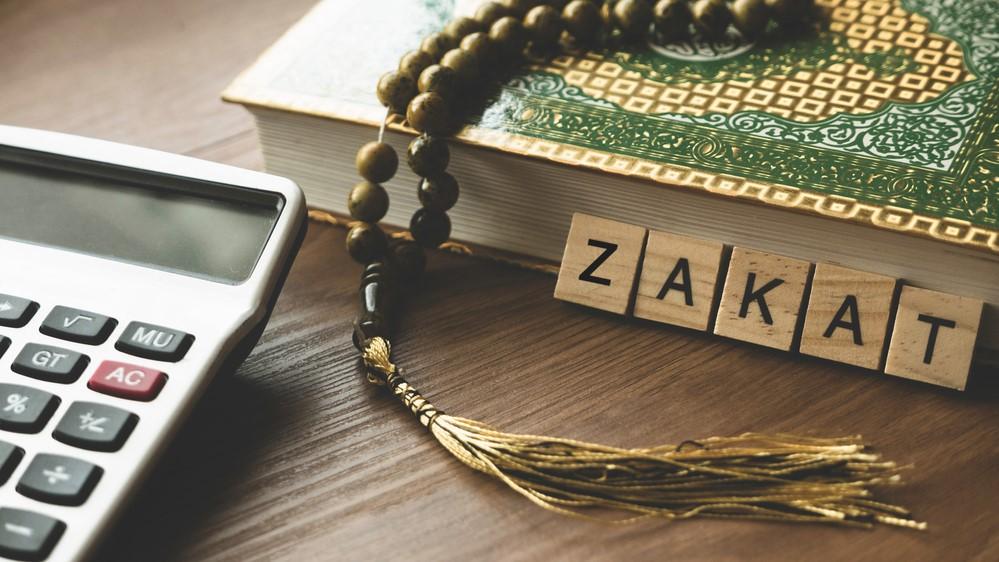
We are living in the blessed days of Ramadan — the month of fasting, night prayers, mercy, and generosity. It is a sacred time when Muslims strengthen their connection with Allah and extend kindness to His creation. Our Creator commands us to fulfill two essential responsibilities: worship Him sincerely and support His creation, especially those in need. This is achieved through acts of devotion and charity, both obligatory and voluntary. Among the most important forms of obligatory charity in Islam are Zakah and Zakat al-Fitr. What is Zakah? Meaning and Spiritual Significance Zakah is one of the five pillars of Islam and a mandatory act of worship mentioned repeatedly in the Qur’an. The word Zakah means growth, increase, and purification. It purifies lawful (halal) wealth and removes selfishness from the heart. Zakah is not merely financial assistance — it is a spiritual cleansing of income and savings. By giving a portion of one’s wealth to eligible recipients, a Muslim acknowledges that all sustenance comes from Allah and must be shared responsibly. When and Who Must Pay Zakah? Zakah becomes obligatory on every Muslim who meets the minimum wealth threshold known as Nisab. If a person’s savings or assets remain equal to or above the Nisab for one full lunar year, they must give Zakah. Unlike Zakat al-Fitr, Zakah can be paid at any time during the year once it becomes due. However, many Muslims prefer to give it during Ramadan because rewards for good deeds are multiplied in this blessed month. Why Many Muslims Pay Zakah in Ramadan Although Zakah is not restricted to Ramadan, giving it in this sacred month increases spiritual rewards. Ramadan is a time when hearts are softer, generosity rises, and believers seek maximum blessings. By fulfilling this obligation during Ramadan, Muslims combine the reward of charity with the reward of fasting and prayer, strengthening their faith and social responsibility. What is Zakat al-Fitr (Fitrana)? Zakat al-Fitr, also known as Fitrana, is a special form of charity given specifically at the end of Ramadan. It is meant to help poor and needy Muslims celebrate Eid al-Fitr with dignity and happiness. Unlike annual Zakah, Zakat al-Fitr is directly linked to the completion of fasting. It serves as: Who Must Pay Zakat al-Fitr? Every adult Muslim who has food or wealth beyond their basic needs must give Zakat al-Fitr. It is required for each member of the household, including children. The most important condition is timing. Zakat al-Fitr must reach eligible recipients before the Eid prayer. If it is delayed until after the prayer, it loses its status as Zakat al-Fitr and becomes ordinary charity. Key Differences Between Zakah and Zakat al-Fitr While both are obligatory charities, they differ in purpose and timing: 1. Timing 2. Purpose 3. Eligibility Both forms of charity strengthen the Islamic system of social justice and ensure that no one is left behind during times of celebration. The Social Impact of Islamic Charity Islam promotes a balanced economic system where wealth circulates within the community. Through Zakah and Zakat al-Fitr, poverty is reduced, dignity is preserved, and social bonds are strengthened. These obligations remind believers that wealth is a trust from Allah. By fulfilling them sincerely, Muslims not only earn divine reward but also contribute to building a compassionate global Ummah. A Reminder for Every Muslim As Ramadan continues, it is important to reflect on our financial responsibilities along with our spiritual goals. Prayer, fasting, and charity are interconnected acts of worship. By giving Zakah and Zakat al-Fitr properly and on time, we purify our wealth, complete our fasting, and spread happiness among those who need it most. May Allah accept our worship, increase our generosity, and make us among those who fulfill their obligations with sincerity. For more authentic Quran-based guidance and Islamic insights, stay connected with [www.quraninsider.com].

zakat-by-quran-insider
Zakat

The Beautiful Concept of Zakat in Islam

Zakat is one of the five pillars of Islam and a powerful system of social welfare designed by Allah for the spiritual and economic balance of society. The word Zakat literally means purification and growth. By giving Zakat, a Muslim purifies their wealth from greed and selfishness, while also helping it grow through divine blessings. In the Holy Qur’an, believers are repeatedly encouraged to feed the hungry, support the poor, and care for the vulnerable. Zakat is not just charity; it is an obligation that strengthens faith, promotes compassion, and builds a just Islamic society. Zakat and Ramadan: A Month of Mercy and Giving The blessed month of Ramadan is widely known as the month of forgiveness, mercy, and generosity. During Ramadan, Muslims increase their prayers, offer gratitude, and actively support those in need. Zakat during this sacred month carries even greater spiritual rewards. Allah commands believers to establish prayer and give Zakat together. This powerful connection shows that Zakat is not separate from worship — it is an essential part of it. When a Muslim fulfills this duty sincerely, both the giver and the receiver are blessed. Conditions for Giving Zakat (Nisab Explained) Zakat becomes obligatory when a Muslim’s wealth reaches a minimum threshold known as Nisab. If a person owns wealth equal to or more than the Nisab amount at the beginning and end of one lunar year, they must pay Zakat. However, if by the end of the lunar year the wealth falls below Nisab, Zakat is not required. What Wealth is Subject to Zakat? Zakat applies to various forms of wealth, including: This system ensures that wealth circulates within society and reaches those who need it most. Zakat on Gold, Silver, and Savings If a person owns gold or silver equal to the Nisab limit, Zakat becomes compulsory. Similarly, savings kept in banks or invested in funds are also subject to Zakat if they meet the required amount for a full lunar year. Islam encourages financial responsibility while ensuring that excess wealth benefits the community. Zakat on Agricultural Produce Islamic teachings also include Zakat on agricultural land and crops. If land is irrigated naturally through rainwater, rivers, or nearby water channels, the produce must be given as Zakat. This ruling reflects the fairness of Islamic economic principles — when Allah provides natural resources without extra cost, a portion must be shared with those in need. Zakat on Livestock Zakat is obligatory on grazing animals such as: If these animals graze freely on natural grass and are kept for trade or growth, Zakat applies according to Islamic guidelines. This ensures fairness across all forms of wealth. Who Should Not Receive Zakat? Islam clearly defines who is eligible and who is not eligible to receive Zakat. Zakat cannot be given to: Zakat must reach those who are genuinely needy and eligible under Islamic law. It cannot be used for general public projects or personal obligations. The Spiritual and Social Impact of Zakat Zakat is more than a financial transaction — it is a spiritual transformation. It removes greed from the heart and builds empathy. When wealth circulates among the poor, it reduces poverty, strengthens communities, and creates economic balance. In a world facing increasing inequality, the Islamic system of Zakat offers a timeless solution. It promotes social justice, financial accountability, and spiritual growth. Why Zakat Matters Today For Muslims worldwide, Zakat is a reminder that wealth is a trust from Allah. It teaches responsibility, generosity, and gratitude. By fulfilling this pillar of Islam, believers not only purify their wealth but also contribute to building a compassionate and balanced society. Zakat is truly a beautiful concept — one that combines worship, charity, and economic justice in a way that benefits both this life and the hereafter. For more authentic Islamic insights and Quran-based guidance, stay connected with [www.quraninsider.com].
How to Overcome the Fear of Death
Prophet Teachings

How to Overcome the Fear of Death: A Prophetic Cure for Death Anxiety

Living with the awareness of death is part of the human condition. Yet for many people, this awareness turns into deep fear, panic, and ongoing death anxiety. Questions about the afterlife, accountability, and the unknown can become emotionally overwhelming. Islam offers a powerful spiritual framework to address this fear. Through the teachings of Prophet Muhammad (peace be upon him), believers are given practical and spiritual tools to transform fear of death into peace, hope, and preparation. For readers of www.quraninsider.com and Muslims worldwide, understanding death through the Prophetic lens can completely reshape how we view life and the hereafter. Why Do People Fear Death? Death anxiety often comes from uncertainty. People fear: In modern culture, death is often avoided in conversations, making it feel mysterious and terrifying. Islam, however, does not hide from the topic. Instead, it teaches believers to understand death as a transition — not an end. Death in Islam: A Beginning, Not an End In Islamic belief, death is the doorway to eternal life. It is not destruction but movement from this temporary world to the everlasting hereafter. The Prophet (PBUH) described death as a passage that leads either to mercy and reward or to accountability — depending on one’s faith and deeds. When a believer understands that this world is temporary and the next life is permanent, fear begins to transform into responsibility and hope. The Prophetic Advice: Remember Death Often One of the most powerful spiritual remedies for death anxiety is regularly remembering death. The Prophet (PBUH) advised believers to remember “the destroyer of pleasures” frequently. This advice may seem intense, but its wisdom is profound. When death is remembered regularly: Rather than causing panic, mindful remembrance brings balance. It reminds believers that life is short and meaningful. Strengthening Faith in the Afterlife Fear decreases when certainty increases. The Prophet (PBUH) consistently strengthened the companions’ belief in the Hereafter (Akhirah). He described Paradise as a place of unimaginable beauty and eternal peace, and he encouraged believers to strive for it. Building strong faith through: helps create confidence about what lies ahead. When faith grows, death is no longer terrifying — it becomes a meeting with Allah’s mercy. Tawbah: The Cure for Fear of Accountability Many people fear death because they fear judgment. The Prophetic cure for this fear is sincere repentance (Tawbah). The Prophet (PBUH) taught that Allah’s mercy is greater than His wrath and that no sin is too large if repentance is genuine. When a believer regularly turns back to Allah, asks forgiveness, and improves their character, the anxiety of accountability lessens. Instead of fearing punishment, they begin hoping for forgiveness. This balance between fear and hope is central to Islamic spirituality. Detachment from Excessive Worldly Attachment Death anxiety often increases when a person is deeply attached to wealth, status, or worldly pleasures. The Prophet (PBUH) lived a simple life and encouraged moderation. By practicing contentment (Qana’ah) and reducing obsession with material success, believers prepare their hearts for the inevitable. When the world is not the ultimate goal, leaving it behind becomes easier. Spiritual growth reduces psychological fear. Dua for Peace of Heart Supplication (Dua) is a powerful tool against anxiety. The Prophet (PBUH) frequently made prayers seeking a good ending (Husn al-Khatimah) and protection from punishment in the grave. Turning to Allah in private moments, especially during Tahajjud or after prayers, creates emotional comfort. Remembrance (Dhikr) calms the heart and replaces fear with trust. Spiritual practices are not abstract rituals; they directly impact mental health and emotional stability. Preparing for Death Through Good Deeds The most effective way to overcome fear of death is preparation. When a believer is consistent in charity, kindness, honesty, and worship, they feel spiritually ready. The Prophet (PBUH) taught that the intelligent person is the one who controls desires and prepares for what comes after death. Preparation builds confidence. Confidence reduces fear. Instead of asking, “What will happen to me?” a prepared believer says, “I am ready to meet my Lord.” A Balanced Perspective: Fear and Hope Islam does not eliminate fear entirely; rather, it balances it with hope. Healthy awareness of death encourages responsibility and self-improvement. Excessive anxiety, however, is discouraged. The Prophetic path teaches believers to: This balance creates inner peace. Final Thoughts Death is a certainty for every soul, but fear of death does not have to control our lives. The teachings of Prophet Muhammad (PBUH) provide a timeless spiritual solution for death anxiety — through faith, remembrance, repentance, and preparation. For Muslims around the world and readers of [www.quraninsider.com], embracing the Prophetic guidance transforms death from a source of panic into a reminder of purpose. When the heart is connected to Allah, even the thought of death becomes a path to peace.

Prophetic-Solutions-for-Financial-Uncertainty-quran-insider
Prophet Teachings

Prophetic Solutions for Financial Uncertainty: Struggle, Resilience, and Peace of Heart

In today’s fast-changing global economy, financial uncertainty has become a shared human experience. Rising inflation, job instability, and business losses can create anxiety and sleepless nights. However, Islam offers timeless guidance through the teachings of Prophet Muhammad (peace be upon him), providing spiritual and practical solutions to overcome economic hardship with patience, dignity, and inner peace. For Muslims worldwide, the Prophetic model is not only about worship but also about managing life’s financial struggles with faith, resilience, and wisdom. Understanding Financial Struggles in Light of Islam Islam acknowledges that wealth and poverty are both tests from Allah. Financial difficulty does not mean divine displeasure. Instead, it is an opportunity for spiritual growth, self-discipline, and trust in Allah’s plan. The life of Prophet Muhammad (PBUH) itself is a powerful example. He experienced periods of poverty, hunger, and economic hardship. Yet, he remained patient, grateful, and hopeful. His approach teaches that hardship is temporary, but faith and good character are lasting treasures. Tawakkul: Trusting Allah During Economic Hardship One of the strongest Prophetic solutions for financial stress is Tawakkul (complete reliance on Allah). Tawakkul does not mean sitting idle; rather, it means making sincere efforts while trusting Allah for results. The Prophet (PBUH) encouraged believers to work hard, seek halal income, and avoid despair. He taught that Allah provides sustenance (Rizq) in ways beyond human imagination. This mindset removes excessive fear about the future and replaces it with calm assurance. For anyone facing job loss, business decline, or debt, strengthening Tawakkul brings emotional stability and spiritual confidence. The Power of Patience (Sabr) in Financial Crisis Patience is a recurring theme in Islamic teachings. The Prophet (PBUH) demonstrated extraordinary patience during times of hunger and limited resources. There were days when no food was cooked in his household, yet he showed gratitude and contentment. Sabr is not passive suffering; it is active endurance with hope. Financial resilience in Islam means continuing lawful efforts while maintaining good character, honesty, and prayer. By practicing Sabr, believers transform stress into strength and hardship into spiritual elevation. Simple Living and Contentment (Qana’ah) Modern consumer culture often increases financial pressure. Islam promotes moderation and contentment (Qana’ah). The Prophet (PBUH) lived a simple life even when wealth became available to him. He advised believers to look at those who have less rather than constantly comparing themselves to those who have more. This mindset protects the heart from greed and dissatisfaction. Contentment does not prevent ambition; it prevents emotional slavery to material possessions. It allows Muslims to find peace even during economic uncertainty. Charity (Sadaqah) as a Source of Barakah One of the most powerful Prophetic teachings regarding financial hardship is giving charity. The Prophet (PBUH) said that charity does not decrease wealth; rather, it increases blessings (Barakah). In times of difficulty, even small acts of Sadaqah can open unexpected doors of provision. Charity purifies wealth, strengthens community bonds, and removes spiritual obstacles. For those facing financial stress, giving even a small amount with sincerity can bring both inner peace and divine reward. Seeking Halal Income and Avoiding Debt Islam strongly emphasizes earning through halal (permissible) means. The Prophet (PBUH) warned against unlawful income and unnecessary debt. He frequently made supplications seeking protection from overwhelming debt. Responsible financial management, avoiding extravagance, and planning wisely are part of Islamic financial ethics. The Prophetic model encourages: These principles create long-term financial stability and spiritual comfort. Dua for Financial Relief and Peace of Heart Supplication (Dua) is a powerful spiritual tool during economic hardship. The Prophet (PBUH) taught specific prayers for relief from anxiety, debt, and poverty. Turning to Allah in moments of financial stress strengthens faith and reduces fear. Regular prayer, remembrance (Dhikr), and seeking forgiveness (Istighfar) are also linked to increased sustenance in Islamic teachings. These acts not only improve spiritual health but also cultivate mental calmness. Resilience Through Community Support The Prophet (PBUH) established a strong sense of brotherhood among Muslims. Economic resilience in Islam is not an individual journey; it is a collective responsibility. Zakat, Sadaqah, and community care systems ensure that wealth circulates and vulnerable members receive support. Financial security grows when communities uphold justice, compassion, and mutual assistance. Peace of Heart Beyond Wealth True peace does not come from bank balances alone. The Prophet (PBUH) taught that real richness is the richness of the heart. A believer may face financial trials yet remain emotionally strong and spiritually fulfilled. By combining Tawakkul, Sabr, Qana’ah, charity, and sincere Dua, Muslims can navigate financial uncertainty with dignity and hope. Final Thoughts Financial uncertainty is a reality in today’s world, but Islamic teachings provide timeless solutions. The life and guidance of Prophet Muhammad (PBUH) show that struggle can build resilience, and hardship can strengthen faith. For readers of [www.quraninsider.com] and believers worldwide, the Prophetic path offers more than financial advice — it offers peace of heart, spiritual growth, and unwavering trust in Allah’s wisdom. When faith leads the way, even the toughest financial challenges become opportunities for transformation and closeness to Allah.

Quran Insider
Places

12 Must-Visit Places of Makkah and Madinah During Umrah – A Spiritual Guide by Quran Insider

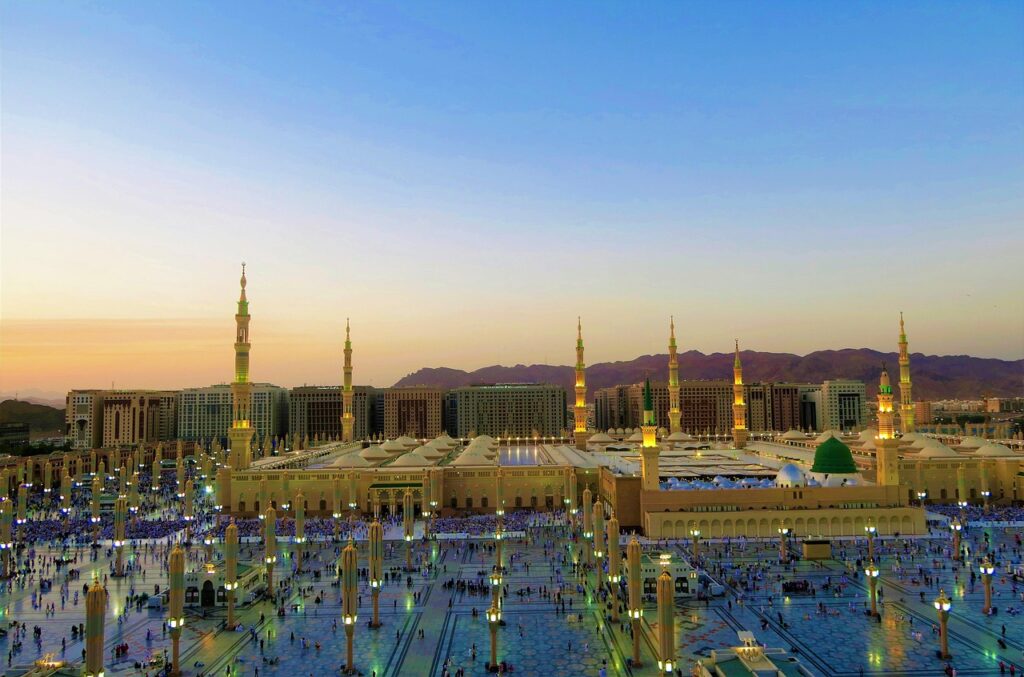
Performing Umrah is one of the most beautiful and soul-enriching experiences for any Muslim. The cities of Makkah and Madinah are not only sacred in Islam but also hold centuries of history, spirituality, and divine blessings. Every year, millions of believers travel to these holy lands to fulfill their religious duties and connect with Allah ﷻ on a deeper level. After completing the rituals of Umrah, pilgrims often wish to explore the significant Islamic landmarks that reflect the legacy of Prophet Muhammad ﷺ and his noble companions (RA). To help you plan your journey, Quran Insider has compiled a list of 12 must-visit places in Makkah and Madinah that every pilgrim should include in their itinerary. 🌙 Must-Visit Places in Makkah 1. Masjid Al-Haram At the heart of Makkah lies Masjid Al-Haram, the most sacred mosque in Islam, home to the Kaaba, the House of Allah. It is the starting point of every Umrah and Hajj journey. Performing Tawaf (circumambulation) around the Kaaba and Sa’ee between Safa and Marwa allows believers to walk in the footsteps of Hajra (RA). Every moment spent here is filled with spirituality, humility, and closeness to Allah. 2. Jabal al-Noor (Mountain of Light) This is the mountain where the first revelation of the Holy Quran descended upon Prophet Muhammad ﷺ through Angel Jibreel (AS) in the Cave of Hira. Standing at this spot gives every Muslim goosebumps, imagining the moment that changed the history of mankind forever. 3. Jabal al-Thawr (Cave of Thawr) A place of sacrifice and faith, Cave Thawr is where the Prophet ﷺ and Abu Bakr (RA) took refuge while migrating to Madinah. The story of their protection by Allah ﷻ inside this cave is a timeless reminder of divine mercy and companionship in Islam. 4. Jannat al-Mu’alla Known as the cemetery of Makkah, Jannat al-Mu’alla is where many of the Prophet’s relatives and companions are buried, including his beloved wife Khadijah (RA). Visiting this sacred site is a humbling experience that connects one with the early history of Islam. 🌿 Must-Visit Places in Madinah 5. Masjid an-Nabawi (The Prophet’s Mosque) The second holiest site in Islam, Masjid an-Nabawi was built by the Prophet Muhammad ﷺ himself. His blessed resting place lies beneath the Green Dome, making it one of the most visited mosques in the world. Every believer’s heart fills with peace and love upon entering this sacred mosque. 6. Jannat al-Baqi (The Garden of Heaven) Located near Masjid an-Nabawi, Jannat al-Baqi is the main cemetery of Madinah where thousands of the Prophet’s companions, family members, and early Muslims rest in eternal peace. The site symbolizes the great legacy of faith and sacrifice that shaped the early Muslim Ummah. 7. Masjid Quba This was the first mosque built in Islam, founded by the Prophet ﷺ upon his arrival in Madinah. Allah ﷻ praises it in the Quran as a mosque “founded on piety.” Offering two raka’ats here holds immense reward and spiritual significance. 8. Bir e-Uthman (Well of Uthman) This historic well was purchased by Uthman ibn Affan (RA), the third Caliph of Islam, who generously opened it for public use. The Prophet ﷺ promised Paradise to whoever bought this well, making it a place of deep virtue and charity. 9. Masjid Abu Bakr (RA) Originally the home of Abu Bakr al-Siddiq (RA), this site has now been converted into a mosque to honor the closest companion of the Prophet ﷺ. It reflects the simplicity, sincerity, and leadership of one of Islam’s greatest figures. 10. Masjid Ali (RA) Dedicated to Ali ibn Abi Talib (RA), the cousin and son-in-law of the Prophet ﷺ, this mosque stands as a reminder of his courage, piety, and unwavering loyalty to Islam. It’s a place where visitors reflect upon his legacy. 11. Masjid Bilal (RA) Built in memory of Bilal ibn Rabah (RA) — the first Mu’azzin of Islam — this mosque represents the beauty of equality and devotion in Islam. The echoes of his powerful call to prayer still inspire Muslims around the world. 12. Masjid Imam Bukhari Named after Imam Bukhari, one of the most respected Hadith scholars in Islamic history, this mosque honors his immense contribution in compiling the authentic sayings of the Prophet ﷺ. It’s a place that symbolizes the preservation of Islamic knowledge and scholarship. 🌍 Final Thoughts by Quran Insider Each of these places in Makkah and Madinah holds immense historical and spiritual value. Visiting them during Umrah not only strengthens one’s faith but also offers a chance to walk through the same paths once graced by the Prophet ﷺ and his companions. When planning your Umrah trip, make sure to include these 12 sacred sites to experience the true essence of Islamic history, devotion, and love for Allah ﷻ and His Messenger ﷺ. May Allah grant every believer the opportunity to visit Makkah and Madinah, perform Umrah with sincerity, and return with hearts full of peace and faith. Ameen.

Scroll to Top