Charity in Islam: Lessons from the Qur’an and Prophet Muhammad (PBUH)
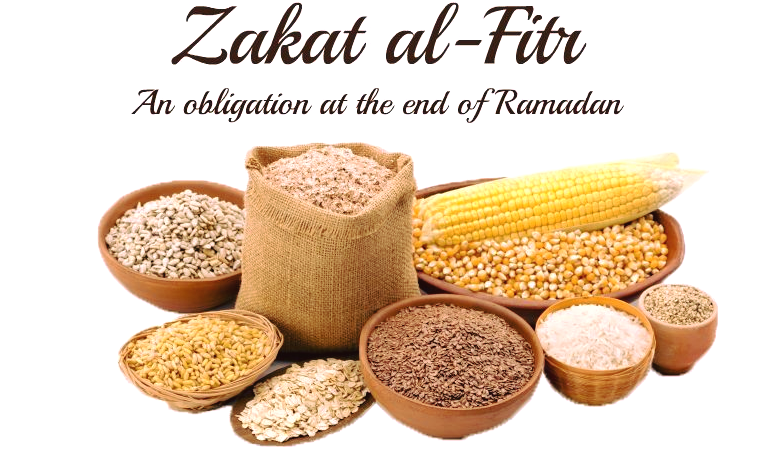
Charity in Islam is not just a noble act — it is a central pillar of faith and a powerful means of spiritual purification. The Qur’an and the teachings of Prophet Muhammad (peace be upon him) emphasize generosity, compassion, and social responsibility as essential qualities of a true believer. For readers of www.quraninsider.com, this article explores how Islamic charity (Sadaqah and Zakat) transforms individuals and societies while earning immense reward in the Hereafter. The Meaning of Charity in Islam In Islam, charity is more than giving money. The Arabic word Sadaqah comes from “sidq,” meaning sincerity or truthfulness. This shows that charity reflects the truth of one’s faith. The Qur’an repeatedly encourages believers to spend from what Allah has provided: “Establish prayer and give charity, and whatever good you send forth for yourselves, you will find it with Allah.” (Qur’an 2:110) Charity in Islam includes: This broad understanding makes Islamic charity a daily opportunity for reward. Zakat: The Obligatory Pillar of Islam Zakat is one of the five pillars of Islam. It is not optional; it is a mandatory act of worship for eligible Muslims. Allah commands in the Qur’an: “Take from their wealth a charity by which you purify them and cause them increase.” (Qur’an 9:103) Zakat purifies wealth and the heart. It removes greed, strengthens empathy, and ensures economic justice in society. Through Zakat, Islam creates a system where wealth circulates rather than remaining in the hands of a few. Unlike modern taxation systems, Zakat is an act of worship directly connected to spiritual accountability before Allah. Sadaqah: Voluntary Charity with Unlimited Rewards Beyond Zakat, Islam encourages voluntary charity. Sadaqah can be given at any time, in any amount, for any good cause. The Prophet ﷺ taught that even small acts count as charity. He said that removing harm from the road or speaking kindly to someone is a form of Sadaqah (reported in Sahih al-Bukhari). This teaching highlights an important Islamic principle: charity is not limited to the wealthy. Every believer can give something. Charity Multiplies Rewards One of the most powerful motivations for giving in Islam is the promise of multiplied reward. Allah says: “The example of those who spend their wealth in the way of Allah is like a seed of grain that grows seven ears; in every ear is a hundred grains.” (Qur’an 2:261) This verse shows that charity is an investment with Allah. A single good deed can multiply up to seven hundred times or more. In a world focused on material returns, Islam teaches believers to invest in eternal rewards. The Character of Prophet Muhammad (PBUH) in Giving The life of Prophet Muhammad (PBUH) was a living example of generosity. He was known for giving freely, especially during Ramadan. According to narrations found in Sahih Muslim, the Prophet ﷺ never turned away a person in need if he had something to give. His generosity was described as faster than the wind in its kindness. He did not give to show status or seek praise. His charity was sincere, humble, and purely for Allah’s pleasure. This prophetic model teaches Muslims that true generosity combines: The Spiritual Benefits of Charity Islamic charity benefits both the giver and the receiver. Its spiritual advantages include: 1. Purification of the Heart Charity removes arrogance and selfishness. It trains the believer to detach from excessive love of wealth. 2. Protection from Calamities The Prophet ﷺ taught that charity extinguishes sins like water extinguishes fire. Giving regularly invites Allah’s protection and mercy. 3. Shade on the Day of Judgment On the Day of Judgment, acts of charity will provide shade and comfort when people face intense difficulty. Sincere giving becomes a source of safety in the Hereafter. Giving Secretly vs Publicly The Qur’an praises both public and private charity but emphasizes sincerity above all. “If you disclose your charity, it is good; but if you conceal it and give to the poor, it is better for you.” (Qur’an 2:271) Secret charity protects the heart from showing off (riya). However, public charity can inspire others to give. The key is intention. Islam teaches that actions are judged by intentions. Charity given for Allah’s sake carries immense reward, while charity for reputation loses spiritual value. Charity Builds a Strong Islamic Society Islamic social welfare is built on compassion and responsibility. When Muslims practice regular charity: Charity creates unity within the Ummah. It transforms wealth into a tool for justice and mercy. In times of global crisis — whether war, famine, or natural disasters — Islamic charity becomes even more essential. It reminds believers that caring for others is an obligation, not an option. Small Acts, Big Impact Many people think they must wait until they are wealthy to give. Islam rejects this mindset. Even a date given in charity can protect a believer from Hellfire. A smile, a helping hand, a comforting word — all are forms of Sadaqah. This comprehensive approach makes charity part of everyday life, not just a yearly obligation. Final Thoughts: Charity as a Path to Jannah Charity in Islam is not merely financial support — it is a pathway to spiritual growth, purification, and eternal success. The Qur’an and the teachings of Prophet Muhammad (PBUH) clearly show that generosity reflects the depth of one’s faith. For Muslims around the world, practicing Zakat and Sadaqah strengthens our relationship with Allah and uplifts humanity. May Allah make us among those who give sincerely, help generously, and earn continuous reward in this life and the Hereafter. Ameen.