Prayer Insights

dua-for-acceptance-of-dua-quran-insider
Prayer Insights

The Accepted Dua: Trusting Allah in Every Situation

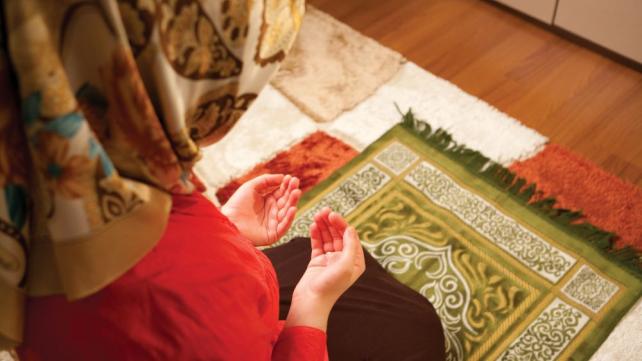
Every believer hopes for “The Accepted Dua” — a prayer that reaches the heavens and returns with mercy. In Islam, dua (supplication) is not just a request; it is an act of worship and a powerful connection between a servant and Allah. The Qur’an reminds us that Allah is near, responsive, and fully aware of every whisper of the heart. When life feels overwhelming and solutions seem impossible, sincere dua opens doors that no human effort can unlock. Allah: The Most Compassionate and Responsive Allah is Al-Rahman (The Most Merciful) and Al-Mujeeb (The One Who Responds). He knows our struggles, fears, and silent tears. Whether it is doubt, hardship, illness, or emotional pain — Allah alone has complete power over every situation. True faith means believing that: Dua is not limited by place, language, or status. It is available to every believer, at every moment. A Real-Life Story of an Accepted Prayer There was once a couple whose newborn baby was admitted to the hospital due to severe blood clotting in the brain. Doctors were uncertain about survival. The situation seemed hopeless. In that moment of fear and helplessness, the parents turned to Allah with their first sincere dua. With tears in their eyes and full reliance on their Lord, they asked for mercy and healing. What followed was nothing short of a miracle. The baby gradually recovered, the medical complications disappeared, and she grew up healthy — both physically and mentally. Today, she lives a normal life. For those parents, this experience became a powerful reminder that Allah’s power is beyond human limitations. Lessons from the Story of an Accepted Dua This story teaches several important Islamic lessons: 1. Dua Should Be the First Response In times of crisis, many people panic or lose hope. But a believer’s first reaction should be turning to Allah. 2. Never Underestimate Allah’s Power Medical science, human plans, and worldly systems have limits. Allah has none. 3. Faith Strengthens Patience Even before the result appears, sincere dua brings peace to the heart. When we truly trust Allah, we understand that He can change any situation in an instant. Conditions for an Accepted Dua While Allah responds to all prayers, Islamic teachings emphasize certain factors that increase the chances of acceptance: The Prophet Muhammad (peace be upon him) taught that Allah responds to every supplication in one of three ways: This means no sincere dua is ever wasted. Pray for Compassion, Not Just Personal Gain One powerful moral from the story above is the importance of making dua for noble and compassionate reasons — not only for personal profit or worldly gain. Islam encourages believers to ask for: When our prayers are sincere and pure, they carry greater spiritual weight. Patience and Trust: The Key to Powerful Prayer Sometimes, a dua is answered immediately. Other times, the response takes longer. Delay does not mean rejection. It may be preparation, protection, or something better than we imagined. Faith teaches us to remain patient and hopeful. Allah’s wisdom is perfect, even when we do not understand His plan. Turning to Allah in Every State Dua should not be limited to times of crisis. A believer turns to Allah in: Building a habit of regular supplication strengthens faith and deepens the relationship with Allah. Final Reflection “The Accepted Dua” is not about extraordinary words — it is about sincerity and trust. Allah is the ultimate problem solver, healer, and guide. When we pray with conviction and pure intentions, miracles can unfold in ways beyond imagination. Let your heart speak to Allah with humility. Ask for what is good, beneficial, and compassionate. Place your worries in His hands. For more Quran-based reflections and authentic Islamic inspiration, stay connected with [www.quraninsider.com].

Whats-is-the-Importance-of-Prayer-in-Islam-quran-insider
Prayer Insights

Don’t Rush in Salah: Find Peace in Every Prayer

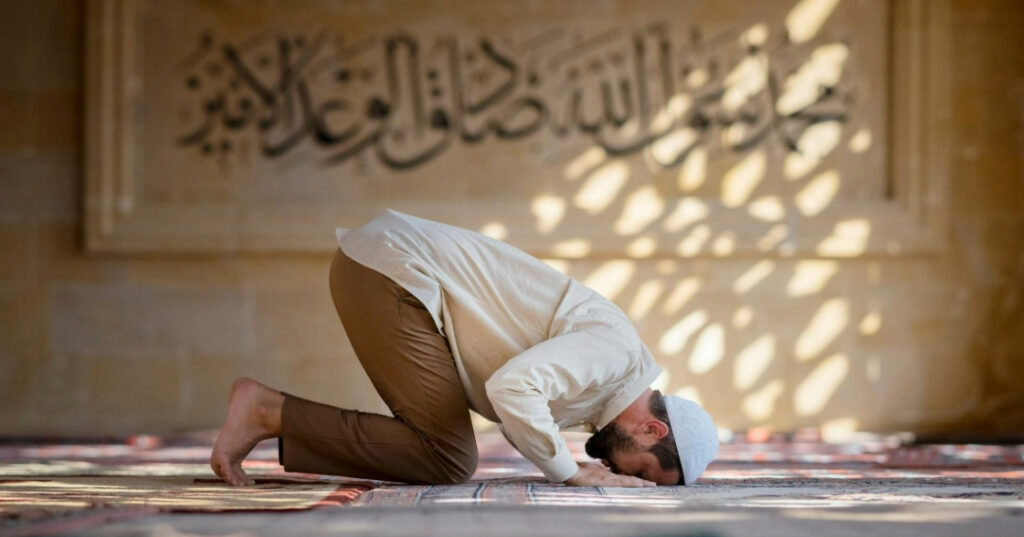
Salah is not just a daily obligation — it is a sacred meeting between a servant and the Creator. It is the moment when a believer disconnects from worldly distractions and reconnects with Allah. In the Qur’an, prayer is described as a source of guidance, mercy, and inner peace. When we rush through Salah, we reduce this powerful act of worship to a routine task. Islam teaches us to approach prayer with calmness, humility, and full concentration. Salah: A Time to Focus Only on Allah Prayer is the most special time in a Muslim’s day. It is when we stand, bow, and prostrate before Allah with sincerity. During Salah, our hearts and minds should be fully dedicated to Him. Rushing through prayer weakens our connection. Instead of experiencing spiritual peace, we may finish Salah without reflection or understanding. True Salah requires: When these elements come together, prayer becomes a source of comfort and strength. Why Rushing in Salah Is Harmful Many people perform Salah quickly due to busy schedules, stress, or habit. However, when prayer is rushed, several important aspects are lost: Salah is not meant to be treated like a checklist. It is a spiritual journey that renews faith five times a day. The Importance of Khushu (Concentration) in Prayer Khushu means humility, focus, and devotion during Salah. It is the heart of prayer. Without concentration, prayer becomes empty movements. The Prophet Muhammad (peace be upon him) demonstrated calmness and balance in prayer. His bowing and prostration were steady and measured. He did not rush, even though he carried the responsibility of leading a nation. This example teaches us that quality matters more than speed. How to Avoid Rushing in Salah If you find yourself praying quickly, try these simple steps: 1. Prepare Before Prayer Finish urgent tasks beforehand so your mind is not distracted. 2. Understand What You Recite Learning the meanings of Surahs and supplications increases focus and emotional connection. 3. Slow Down Your Movements Ensure every posture — standing, bowing, and prostrating — is performed with calmness and proper pauses. 4. Remember Who You Are Standing Before Remind yourself that you are in front of Allah, the Lord of the universe. When you realize the greatness of this moment, rushing naturally decreases. Salah: A Source of Success and Fulfillment Prayer is not only about asking for needs. It is a pathway to spiritual success. When we perform Salah with sincerity and patience, Allah blesses our lives with clarity and guidance. Calm and mindful prayer can: Rushing deprives us of these benefits. Turning Ritual into Relationship If Salah feels repetitive, it may be because we treat it as a ritual rather than a relationship. A relationship requires attention and presence. When we slow down and truly connect with Allah, prayer transforms into a personal conversation. It becomes the most peaceful part of our day. A Gentle Reminder for Every Believer Life is busy. Responsibilities are many. But Salah is the pause that protects us from losing ourselves in worldly stress. Next time you stand for prayer: Do not rush through the moment that is meant to bring you closer to Allah. Final Reflection Salah is a gift, not a burden. It is the best opportunity to dedicate your thoughts, hopes, and worries to your Creator. When performed calmly and sincerely, it strengthens faith and brings inner peace. Never reduce prayer to a hurried ritual. Approach it with patience, humility, and love — and you will find the tranquility your heart seeks. For more Quran-based reflections and Islamic spiritual guidance, stay connected with [www.quraninsider.com].

prayer-quran-insider
Prayer Insights

Allah Says: Beautify Yourself for Prayer

Prayer (Salah) is the most sacred moment in a believer’s daily life. It is the time when a Muslim stands before their Creator with humility, devotion, and love. In the Qur’an, Allah commands believers to beautify themselves when they go to places of worship. This instruction carries deep spiritual meaning and reflects the honor of standing before the Lord of the universe. Beautifying oneself for prayer is not about showing off to people — it is about respecting the sacred act of worship and appreciating the privilege of speaking directly to Allah. The Spiritual Meaning of Beautification in Islam When Allah instructs believers to beautify themselves, it includes both outer appearance and inner state. 1. Outer Beautification This means: Standing before Allah in neat and presentable clothing shows gratitude for the blessing of prayer. It reflects respect for the sacred connection between the servant and the Creator. 2. Inner Beautification True beauty in Islam begins in the heart. Inner beautification includes: A clean heart combined with a clean appearance completes the spirit of Salah. Why Dressing Well for Salah Matters In daily life, people often dress carefully for important meetings, job interviews, or social gatherings. How much more important is it to prepare ourselves when standing before Allah? Prayer is not an ordinary activity. It is a direct conversation with our Lord. Wearing decent and clean clothes during Salah demonstrates appreciation for this divine opportunity. Islam encourages moderation. Beautification does not mean extravagance or luxury. It simply means presenting oneself in a respectable and dignified manner within one’s means. Appreciating the Honor of Standing Before Allah Salah is a gift. It is the moment when worldly worries are set aside, and the believer reconnects with Allah. By beautifying ourselves, we acknowledge the greatness of the One we worship. This act reminds us: When we prepare ourselves physically, it also prepares our hearts spiritually. Cleanliness: A Core Principle of Islamic Worship Cleanliness is a fundamental aspect of Islam. Performing ablution (Wudu) before prayer already purifies the body. Wearing clean clothes completes this state of readiness. The Prophet (peace be upon him) emphasized personal hygiene and neat appearance. Islam promotes a balanced lifestyle where spirituality and personal care go hand in hand. Avoiding Negligence in Worship Sometimes, people may treat prayer casually, standing before Allah in untidy clothing or with little attention to preparation. While Salah remains valid if basic conditions are met, beautifying oneself enhances the quality and reverence of worship. When a believer values prayer, it reflects in their preparation. Even simple efforts — combing hair, wearing clean garments, and approaching prayer with focus — can transform Salah into a more meaningful experience. Gratitude Through Presentation Beautification for prayer is also a form of gratitude. The clothes we wear, the fragrance we apply, and the ability to stand and bow are all blessings from Allah. By presenting ourselves well, we silently say:“Ya Allah, I value this meeting with You.” It is an act of glorification and appreciation. Balancing Simplicity and Respect Islam does not promote showing off or competing in fashion during prayer. Modesty remains the key principle. The goal is not impressing others in the mosque but honoring Allah. The true essence of beautification lies in sincerity, humility, and dignity. A Reminder for Every Believer Prayer is the foundation of a Muslim’s faith. It connects heaven and earth five times a day. Each Salah is an opportunity to renew our commitment and seek forgiveness. Before standing for prayer, ask yourself: Beautifying yourself for Salah is a small effort with great spiritual impact. Final Reflection Allah commands believers to beautify themselves when they pray — not for worldly recognition, but as a sign of respect and love for their Lord. Let every prayer be approached with cleanliness, modesty, and sincerity. When we honor our worship, Allah honors us with guidance, peace, and blessings. For more Quran-based reflections and authentic Islamic guidance, stay connected with [www.quraninsider.com].

Scroll to Top